-
Shop
- Adidas
- Advanced Technologies
- AI Skills
- AI Skills Mastery 2026 Collection
- Bathroom
- Best-Sellers
- Calvin Klein
- Car Accessories
- Confidence
- Dating & Social Skills
- Digital Resources
- AI & Technology
- Beauty
- Car Buying & Ownership
- Cozy Feast Collection
- Electronics & Technology
- Financial Education
- Hobbies
- Home Styling & Organization
- Kitchen & Recipes
- Mindset
- Online Business
- Parenting & Child Development
- Personal Style & Fashion
- Pet Lifestyle & Wellness
- Smart Life with AI
- Travel Planning
- Wellness
- Yoga & Fitness
- Education & Learning
- Family & Parenting
- Fashion
- Alexander McQueen
- Bags
- Bags & Wallets
- Balenciaga
- Belts
- Blazers
- Blouses & Shirts
- Bottega Veneta
- Brunello Cucinelli
- Burberry
- Chanel
- Chloé
- Dior
- Dolce & Gabbana
- Dresses
- Etro
- Fendi
- Gucci
- Hats & Hair Accessories
- Jacquemus
- Jewelry
- Jil Sander
- Keychains
- Kiton
- Luggage
- Luggage Bags
- Miu Miu
- Off-White
- Outerwear
- Prada
- Rick Owens
- Saint Laurent
- Scarves
- Shoes
- Socks & Tights
- Sunglasses
- The Row
- Tom Ford
- Valentino
- Valentino Garavani
- Versace
- Vivienne Westwood
- Watches
- Fashion Accessories
- Furniture
- Gadgets
- Health & Beauty
- Health & Wellness
- Home & Garden
- Home Decor
- Home Electronics
- Home Supplies
- Kids & Babies
- Kitchen
- Kitchen Best-Sellers
- Lighting
- Online Business for Beginners
- Patio, Lawn & Garden
- Personal Growth
- Pet Care
- Pet Supplies
- Pets
- Smart Amazon Shopping
- Smart Home Living Guides
- Sport & Outdoors
- Stress Relief & Relaxation
- Super Deals
- TikTok Growth & Monetization Mastery
- Travel
- Travel & Adventure
- Wealth
- Wealth Building
- Budgeting & Saving
- Cryptocurrency Investing
- Debt Management
- Entrepreneurship & Business Growth
- Family Finance & Budgeting
- Financial Independence
- Financial Mindset & Psychology
- Financial Planning
- Frugal Living & Expense Hacks
- Goal Setting
- High-Income Skills
- Investing Basics
- Leadership
- Motivation
- Networking & Mentorship
- Passive Income Strategies
- Real Estate Investing
- Side Hustles
- Stock Market Investing
- Popular
- Best deals
- Blog
Pet Effect Theory: How Pets Support Stress and Well-Being
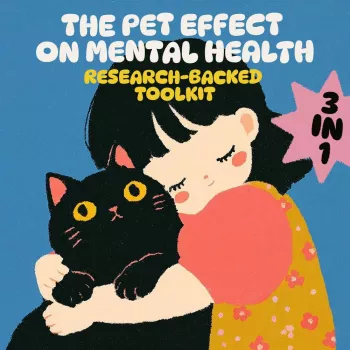
What is the pet effect theory?
The pet effect theory is the idea that living with, caring for, or even briefly interacting with an animal can support human well-being—especially by easing stress and encouraging positive daily routines. It’s often discussed in the context of mental health because pets can add structure to a day, create opportunities for movement and social connection, and offer comforting companionship.
How the pet effect theory works
Rather than being a single proven “law,” the pet effect theory is a research-backed framework that helps explain why many people report feeling calmer, less lonely, or more grounded around pets. The benefits tend to come from several overlapping mechanisms:
Stress buffering
Petting or sitting with an animal can feel soothing in the moment, which may help take the edge off daily stress. For some people, animals also serve as a nonjudgmental presence during tough emotions, making it easier to decompress.
Routine and purpose
Feeding, walking, grooming, and playtime naturally create a schedule. That built-in routine can be especially helpful when motivation is low, because a pet’s needs provide gentle external structure and a sense of responsibility.
More movement and time outdoors
Dogs, in particular, can increase daily activity through walks and play. Even small boosts in movement and daylight exposure can support mood, energy, and sleep quality over time.
Social connection
Pets can act as social catalysts—sparking casual conversations with neighbors, other pet owners, or friends. That low-pressure interaction can reduce feelings of isolation and help people feel more connected.
What the research suggests (and what it doesn’t)
Studies often find associations between pet companionship and improved well-being, but results can vary based on personality, lifestyle, finances, housing, allergies, and the specific pet. A pet isn’t a substitute for professional care, and it’s normal for pet ownership to include stressors too (time, costs, training, and vet needs).
For a deeper look at research-backed ways pets can fit into everyday mental health habits, visit this guide on the pet effect.
FAQ
Do pets help with anxiety and depression?
They can help some people by providing comfort, routine, and companionship, which may reduce stress and loneliness. Effects vary, and pets aren’t a replacement for therapy or medical treatment when needed.
Recommended for you


Soft Waves for Men: Cut, Brush, Moisturize & Set
Jun 8, 2026













Leave a comment