-
Shop
- Adidas
- Advanced Technologies
- AI Skills
- AI Skills Mastery 2026 Collection
- Bathroom
- Best-Sellers
- Calvin Klein
- Car Accessories
- Confidence
- Dating & Social Skills
- Digital Resources
- AI & Technology
- Beauty
- Car Buying & Ownership
- Cozy Feast Collection
- Electronics & Technology
- Financial Education
- Hobbies
- Home Styling & Organization
- Kitchen & Recipes
- Mindset
- Online Business
- Parenting & Child Development
- Personal Style & Fashion
- Pet Lifestyle & Wellness
- Smart Life with AI
- Travel Planning
- Wellness
- Yoga & Fitness
- Education & Learning
- Family & Parenting
- Fashion
- Alexander McQueen
- Bags
- Bags & Wallets
- Balenciaga
- Belts
- Blazers
- Blouses & Shirts
- Bottega Veneta
- Brunello Cucinelli
- Burberry
- Chanel
- Chloé
- Dior
- Dolce & Gabbana
- Dresses
- Etro
- Fendi
- Gucci
- Hats & Hair Accessories
- Jacquemus
- Jewelry
- Jil Sander
- Keychains
- Kiton
- Luggage
- Luggage Bags
- Miu Miu
- Off-White
- Outerwear
- Prada
- Rick Owens
- Saint Laurent
- Scarves
- Shoes
- Socks & Tights
- Sunglasses
- The Row
- Tom Ford
- Valentino
- Valentino Garavani
- Versace
- Vivienne Westwood
- Watches
- Fashion Accessories
- Furniture
- Gadgets
- Health & Beauty
- Health & Wellness
- Home & Garden
- Home Decor
- Home Electronics
- Home Supplies
- Kids & Babies
- Kitchen
- Kitchen Best-Sellers
- Lighting
- Online Business for Beginners
- Patio, Lawn & Garden
- Personal Growth
- Pet Care
- Pet Supplies
- Pets
- Smart Amazon Shopping
- Smart Home Living Guides
- Sport & Outdoors
- Stress Relief & Relaxation
- Super Deals
- TikTok Growth & Monetization Mastery
- Travel
- Travel & Adventure
- Wealth
- Wealth Building
- Budgeting & Saving
- Cryptocurrency Investing
- Debt Management
- Entrepreneurship & Business Growth
- Family Finance & Budgeting
- Financial Independence
- Financial Mindset & Psychology
- Financial Planning
- Frugal Living & Expense Hacks
- Goal Setting
- High-Income Skills
- Investing Basics
- Leadership
- Motivation
- Networking & Mentorship
- Passive Income Strategies
- Real Estate Investing
- Side Hustles
- Stock Market Investing
- Popular
- Best deals
- Blog
Pet Ownership Downsides: Costs, Stress, Health & More

What are the negative effects of having a pet?
Pets can add comfort and routine, but they can also create real downsides that are easy to overlook at first. The most common negative effects involve finances, time, health risks, and the emotional strain that can come with caregiving.
Higher ongoing costs (and surprise expenses)
Food, grooming, routine vet visits, licensing, and parasite prevention add up quickly. Unexpected costs—emergency care, chronic conditions, dental work, or specialty diets—can disrupt budgets, especially if they happen suddenly.
Time and lifestyle limitations
Many pets need daily exercise, feeding schedules, training, and social interaction. That can reduce flexibility for travel, late work hours, or spontaneous plans. Some renters also face pet restrictions, deposits, or limited housing options.
Stress, sleep disruption, and caregiver fatigue
Puppies and kittens may wake at night, chew items, or have accidents. Adult pets can develop separation anxiety, reactivity, or medical needs that require frequent monitoring. Over time, the responsibility can contribute to stress, especially for busy households.
Allergies, asthma triggers, and hygiene concerns
Dander, saliva, and fur can worsen allergies and asthma. Litter boxes, pet waste, and shedding also increase cleaning demands. Even well-cared-for pets can bring in dirt, fleas, ticks, or parasites if prevention isn’t consistent.
Safety and property damage risks
Scratches, chewing, stains, and odor can damage furniture and floors. Some pets may bite or knock over children or older adults unintentionally. There’s also a liability risk if a pet injures a visitor or another animal.
Grief and difficult end-of-life decisions
Bonding with a pet often means eventually facing illness, aging, and loss. The emotional impact of euthanasia decisions or ongoing care for a declining pet can be significant.
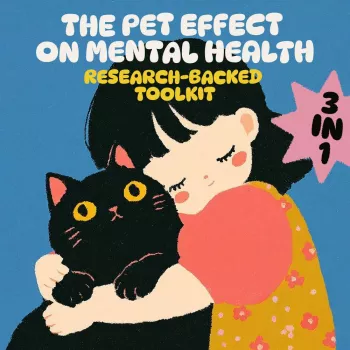
For a broader look at how pets can influence daily well-being—both positively and negatively—see this research-backed guide: Pet effect: research-backed daily mental health habits.
FAQ
How can I reduce stress from pet ownership?
Build predictable routines for feeding, exercise, and training, and use automation when possible (like reminders or scheduled deliveries). Budget for vet care early and ask a veterinarian or trainer for help at the first signs of behavior or health issues.
Recommended for you


Princess Luxury Beds: Where to Buy & What to Check
Jun 13, 2026













Leave a comment