-
Shop
- Adidas
- Advanced Technologies
- AI Skills
- AI Skills Mastery 2026 Collection
- Bathroom
- Best-Sellers
- Calvin Klein
- Car Accessories
- Confidence
- Dating & Social Skills
- Digital Resources
- AI & Technology
- Beauty
- Car Buying & Ownership
- Cozy Feast Collection
- Electronics & Technology
- Financial Education
- Hobbies
- Home Styling & Organization
- Kitchen & Recipes
- Mindset
- Online Business
- Parenting & Child Development
- Personal Style & Fashion
- Pet Lifestyle & Wellness
- Smart Life with AI
- Travel Planning
- Wellness
- Yoga & Fitness
- Education & Learning
- Family & Parenting
- Fashion
- Alexander McQueen
- Bags
- Bags & Wallets
- Balenciaga
- Belts
- Blazers
- Blouses & Shirts
- Bottega Veneta
- Brunello Cucinelli
- Burberry
- Chanel
- Chloé
- Dior
- Dolce & Gabbana
- Dresses
- Etro
- Fendi
- Gucci
- Hats & Hair Accessories
- Jacquemus
- Jewelry
- Jil Sander
- Keychains
- Kiton
- Luggage
- Luggage Bags
- Miu Miu
- Off-White
- Outerwear
- Prada
- Rick Owens
- Saint Laurent
- Scarves
- Shoes
- Socks & Tights
- Sunglasses
- The Row
- Tom Ford
- Valentino
- Valentino Garavani
- Versace
- Vivienne Westwood
- Watches
- Fashion Accessories
- Furniture
- Gadgets
- Health & Beauty
- Health & Wellness
- Home & Garden
- Home Decor
- Home Electronics
- Home Supplies
- Kids & Babies
- Kitchen
- Kitchen Best-Sellers
- Lighting
- Online Business for Beginners
- Patio, Lawn & Garden
- Personal Growth
- Pet Care
- Pet Supplies
- Pets
- Smart Amazon Shopping
- Smart Home Living Guides
- Sport & Outdoors
- Stress Relief & Relaxation
- Super Deals
- TikTok Growth & Monetization Mastery
- Travel
- Travel & Adventure
- Wealth
- Wealth Building
- Budgeting & Saving
- Cryptocurrency Investing
- Debt Management
- Entrepreneurship & Business Growth
- Family Finance & Budgeting
- Financial Independence
- Financial Mindset & Psychology
- Financial Planning
- Frugal Living & Expense Hacks
- Goal Setting
- High-Income Skills
- Investing Basics
- Leadership
- Motivation
- Networking & Mentorship
- Passive Income Strategies
- Real Estate Investing
- Side Hustles
- Stock Market Investing
- Popular
- Best deals
- Blog
Cold Hands and Feet: When to Suspect Heart Issues
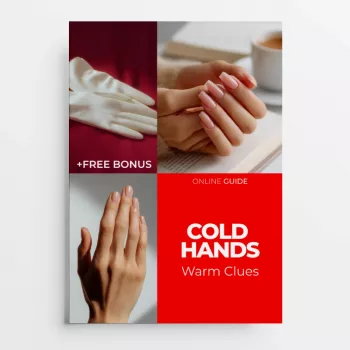
Is cold hands and feet a sign of heart problems?
Sometimes, yes—cold hands and feet can be linked to heart problems, but they’re far from the most common cause. When the heart can’t pump blood effectively, circulation may be reduced to the extremities, making fingers and toes feel cold. That said, many people have cold hands and feet due to non-cardiac reasons like temperature exposure, stress, anemia, thyroid issues, or circulation conditions such as Raynaud’s phenomenon.
How heart problems can contribute to cold extremities
If circulation is compromised, the body may prioritize blood flow to vital organs over the hands and feet. Conditions such as heart failure or advanced peripheral artery disease (which is related to atherosclerosis) can lead to cooler skin, numbness, or a heavy, tired feeling in the legs. Cold extremities alone don’t confirm a heart issue, but they can be one piece of a larger picture.
Signs that point more strongly to a heart-related cause
Cold hands and feet are more concerning when they show up alongside symptoms like shortness of breath (especially with mild activity or when lying down), chest pressure, unusual fatigue, swelling in the ankles/feet, dizziness, fainting, or a fast/irregular heartbeat. Leg pain with walking that improves with rest, poor wound healing on feet, or persistent skin color changes may also suggest circulation problems that deserve medical attention.
Common non-heart causes (often more likely)
Cold extremities are frequently caused by normal blood vessel tightening in response to cold, anxiety, nicotine/caffeine, or certain medications. Raynaud’s can trigger dramatic color shifts (white/blue/red) in fingers or toes with cold or stress. Low iron, low vitamin B12, and hypothyroidism can also make people feel colder overall.
What to do next
If cold hands and feet are new, worsening, painful, or paired with any red-flag symptoms, it’s smart to contact a healthcare professional promptly. For a deeper look at typical causes, warning signs, and practical fixes, read the full guide here: Cold Hands and Feet: Causes, Raynaud’s Signs, and Fixes.
FAQ
Why do my fingers turn white or blue when I’m cold?
This pattern often happens with Raynaud’s phenomenon, where small blood vessels briefly spasm in response to cold or stress. The color changes may come with numbness or tingling and usually improve as the area warms.














Leave a comment