-
Shop
- Adidas
- Advanced Technologies
- AI Skills
- AI Skills Mastery 2026 Collection
- Bathroom
- Best-Sellers
- Calvin Klein
- Car Accessories
- Confidence
- Dating & Social Skills
- Digital Resources
- AI & Technology
- Beauty
- Car Buying & Ownership
- Cozy Feast Collection
- Electronics & Technology
- Financial Education
- Hobbies
- Home Styling & Organization
- Kitchen & Recipes
- Mindset
- Online Business
- Parenting & Child Development
- Personal Style & Fashion
- Pet Lifestyle & Wellness
- Smart Life with AI
- Travel Planning
- Wellness
- Yoga & Fitness
- Education & Learning
- Family & Parenting
- Fashion
- Alexander McQueen
- Bags
- Bags & Wallets
- Balenciaga
- Belts
- Blazers
- Blouses & Shirts
- Bottega Veneta
- Brunello Cucinelli
- Burberry
- Chanel
- Chloé
- Dior
- Dolce & Gabbana
- Dresses
- Etro
- Fendi
- Gucci
- Hats & Hair Accessories
- Jacquemus
- Jewelry
- Jil Sander
- Keychains
- Kiton
- Luggage
- Luggage Bags
- Miu Miu
- Off-White
- Outerwear
- Prada
- Rick Owens
- Saint Laurent
- Scarves
- Shoes
- Socks & Tights
- Sunglasses
- The Row
- Tom Ford
- Valentino
- Valentino Garavani
- Versace
- Vivienne Westwood
- Watches
- Fashion Accessories
- Furniture
- Gadgets
- Health & Beauty
- Health & Wellness
- Home & Garden
- Home Decor
- Home Electronics
- Home Supplies
- Kids & Babies
- Kitchen
- Kitchen Best-Sellers
- Lighting
- Online Business for Beginners
- Patio, Lawn & Garden
- Personal Growth
- Pet Care
- Pet Supplies
- Pets
- Smart Amazon Shopping
- Smart Home Living Guides
- Sport & Outdoors
- Stress Relief & Relaxation
- Super Deals
- TikTok Growth & Monetization Mastery
- Travel
- Travel & Adventure
- Wealth
- Wealth Building
- Budgeting & Saving
- Cryptocurrency Investing
- Debt Management
- Entrepreneurship & Business Growth
- Family Finance & Budgeting
- Financial Independence
- Financial Mindset & Psychology
- Financial Planning
- Frugal Living & Expense Hacks
- Goal Setting
- High-Income Skills
- Investing Basics
- Leadership
- Motivation
- Networking & Mentorship
- Passive Income Strategies
- Real Estate Investing
- Side Hustles
- Stock Market Investing
- Popular
- Best deals
- Blog
Cold Hands & Feet: Causes, Raynaud’s Signs, Fixes

What cold hands and feet can mean
Cold fingers and toes are often a normal response to everyday conditions, but they can also be a useful signal that something in your routine (or your health) needs attention. The goal is to separate common, low-risk triggers from patterns that deserve a closer look.
- Normal triggers: chilly weather, strong air conditioning, getting wet, staying still for long stretches, caffeine/nicotine, and moving quickly from warm to cold environments.
- Circulation patterns: when your body needs to protect core temperature, it naturally shifts blood flow away from hands and feet. Some people feel this redistribution more strongly.
- Nervous system effects: stress and anxiety can tighten blood vessels, making extremities feel cooler even in a comfortable room.
- Common contributors: low iron, low vitamin B12/folate, thyroid issues, dehydration, low body weight, and certain medications (check with a clinician before changing any medication).
- Conditions to be aware of: Raynaud’s phenomenon (fingers/toes changing color), diabetes-related nerve or vessel changes, and peripheral artery disease (more common with age and smoking).
If you notice frequent color changes (white/blue/red) or intense pain with cold exposure, it can be helpful to read about Raynaud’s phenomenon from a trusted source like NIAMS.
When to get medical advice
Most day-to-day coldness improves with warmth, movement, and better layering—but certain symptoms are worth acting on quickly.
- Seek urgent care if cold hands/feet occur with chest pain, shortness of breath, fainting, sudden weakness, or one-sided symptoms.
- Book a prompt check for persistent numbness/tingling, sores that don’t heal, significant swelling, or severe pain when walking.
- Get evaluated for frequent or painful Raynaud’s-style color changes (white/blue/red), especially if they start later in life.
- Bring helpful details: timing, triggers (cold, stress), color changes, pain level, medications/supplements, and how fast warmth returns.
For circulation-related warning signs, the CDC overview of peripheral artery disease (PAD) is a clear, reliable reference.
A daily warmth routine that supports circulation
Consistency usually beats intensity. A simple routine—repeated daily—can reduce how often cold episodes pop up and shorten the time it takes to feel warm again.
Core steps
- Warm up gradually: gloves/socks, warm (not hot) water, or a heating pad on low. Avoid extreme heat if you have reduced sensation.
- Movement micro-breaks: 2–3 minutes every hour (ankle circles, calf raises, wrist circles, gentle marching in place).
- Breathing to reduce vessel tightening: try 4–6 slow breaths per minute for 3–5 minutes, especially after a stress spike.
- Hydration check: aim for pale yellow urine most of the day; dehydration can worsen cold sensitivity.
- Footwear and handwear: prioritize insulation plus room for circulation—too-tight socks, shoes, or gloves can make cold worse.
- Evening reset: a short walk after dinner can support circulation and reduce nighttime cold feet.
Quick routine: choose a starting point
| Situation | Try this now | What to notice over 7 days |
|---|---|---|
| Cold after sitting | Stand up every 45–60 minutes; 20 calf raises + 20 ankle circles | Faster return of warmth; less tingling |
| Cold with stress | 3 minutes of slow breathing; loosen jaw/shoulders; warm drink | Fewer episodes tied to tension |
| Cold in air-conditioned rooms | Layer socks; keep a light scarf; fingerless gloves for work | Less frequent discomfort; better focus |
| Cold at night | Warm shower or foot soak; light stretching; socks in bed if comfortable | Fewer wake-ups; improved sleep comfort |
Food and nutrients that commonly matter
Hands and feet can feel colder when oxygen delivery, nerve function, hydration, or overall energy intake is off. If symptoms are frequent, a clinician can help decide whether labs (like iron studies, B12, thyroid tests) make sense.
- Iron: low iron can reduce oxygen delivery and contribute to feeling cold. Food sources include lean meats, lentils, beans, spinach, and iron-fortified cereals.
- Vitamin B12 and folate: important for red blood cells and nerve health. Sources include fish, eggs, dairy, and fortified foods (B12) plus leafy greens and legumes (folate).
- Magnesium and potassium: support muscle and nerve function. Sources include nuts, seeds, beans, yogurt, bananas, and potatoes.
- Omega-3 fats: may support vascular health. Sources include salmon, sardines, walnuts, chia, and flax.
- Pairing tip for iron: combine plant-based iron with vitamin C foods (citrus, bell pepper, strawberries) to improve absorption.
- Limit triggers if sensitive: large amounts of caffeine or nicotine can constrict blood vessels; consider tapering if cold episodes correlate.
For background on B12-related anemia, the NHLBI guide to vitamin B12 deficiency anemia is a helpful starting point.
Simple self-checks to spot patterns
Tracking a few details for one week can reveal why your hands and feet get cold—and which fix actually works.
Using a structured guide to stay consistent
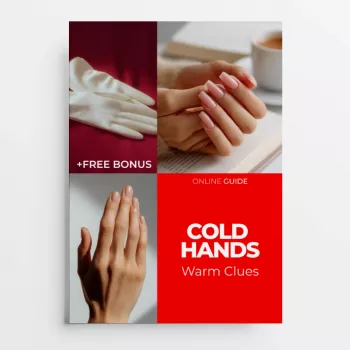
If you want a focused, practical approach, consider Cold Hands, Warm Clues – Digital Guide to Cold Hands and Feet, Circulation Health, Warmth Improvement, Wellness eBook Download (Digital Download, $8.99).
Since stress can tighten blood vessels and kick off a “cold hands” episode, pairing a warmth routine with a calmer start to the day can help. A simple companion resource is The No-Phone Morning Ritual Checklist: Reset Your Mind Before You Scroll (Printable Digital Download, $2.99).
FAQ
What vitamin are you lacking if you have cold hands and feet?
Several deficiencies can contribute, especially vitamin B12 and folate (which support red blood cells and nerve health). Iron is also a very common non-vitamin contributor; a clinician can help confirm with the right labs rather than guessing.
What to eat when you have cold hands and feet?
Build meals around iron-rich foods (lean meats, beans, lentils, spinach), B12 sources (fish, eggs, dairy or fortified foods), and add vitamin C foods to help absorb plant-based iron. Consistent meals with enough protein and fluids can also help if coldness worsens when you’re under-fueled or dehydrated.















Leave a comment