-
Shop
- Adidas
- Advanced Technologies
- AI Skills
- AI Skills Mastery 2026 Collection
- Bathroom
- Best-Sellers
- Calvin Klein
- Car Accessories
- Confidence
- Dating & Social Skills
- Digital Resources
- AI & Technology
- Beauty
- Car Buying & Ownership
- Cozy Feast Collection
- Electronics & Technology
- Financial Education
- Hobbies
- Home Styling & Organization
- Kitchen & Recipes
- Mindset
- Online Business
- Parenting & Child Development
- Personal Style & Fashion
- Pet Lifestyle & Wellness
- Smart Life with AI
- Travel Planning
- Wellness
- Yoga & Fitness
- Education & Learning
- Family & Parenting
- Fashion
- Alexander McQueen
- Bags
- Bags & Wallets
- Balenciaga
- Belts
- Blazers
- Blouses & Shirts
- Bottega Veneta
- Brunello Cucinelli
- Burberry
- Chanel
- Chloé
- Dior
- Dolce & Gabbana
- Dresses
- Etro
- Fendi
- Gucci
- Hats & Hair Accessories
- Jacquemus
- Jewelry
- Jil Sander
- Keychains
- Kiton
- Luggage
- Luggage Bags
- Miu Miu
- Off-White
- Outerwear
- Prada
- Rick Owens
- Saint Laurent
- Scarves
- Shoes
- Socks & Tights
- Sunglasses
- The Row
- Tom Ford
- Valentino
- Valentino Garavani
- Versace
- Vivienne Westwood
- Watches
- Fashion Accessories
- Furniture
- Gadgets
- Health & Beauty
- Health & Wellness
- Home & Garden
- Home Decor
- Home Electronics
- Home Supplies
- Kids & Babies
- Kitchen
- Kitchen Best-Sellers
- Lighting
- Online Business for Beginners
- Patio, Lawn & Garden
- Personal Growth
- Pet Care
- Pet Supplies
- Pets
- Smart Amazon Shopping
- Smart Home Living Guides
- Sport & Outdoors
- Stress Relief & Relaxation
- Super Deals
- TikTok Growth & Monetization Mastery
- Travel
- Travel & Adventure
- Wealth
- Wealth Building
- Budgeting & Saving
- Cryptocurrency Investing
- Debt Management
- Entrepreneurship & Business Growth
- Family Finance & Budgeting
- Financial Independence
- Financial Mindset & Psychology
- Financial Planning
- Frugal Living & Expense Hacks
- Goal Setting
- High-Income Skills
- Investing Basics
- Leadership
- Motivation
- Networking & Mentorship
- Passive Income Strategies
- Real Estate Investing
- Side Hustles
- Stock Market Investing
- Popular
- Best deals
- Blog
Teach Kids Smart Spending With a Printable Checklist
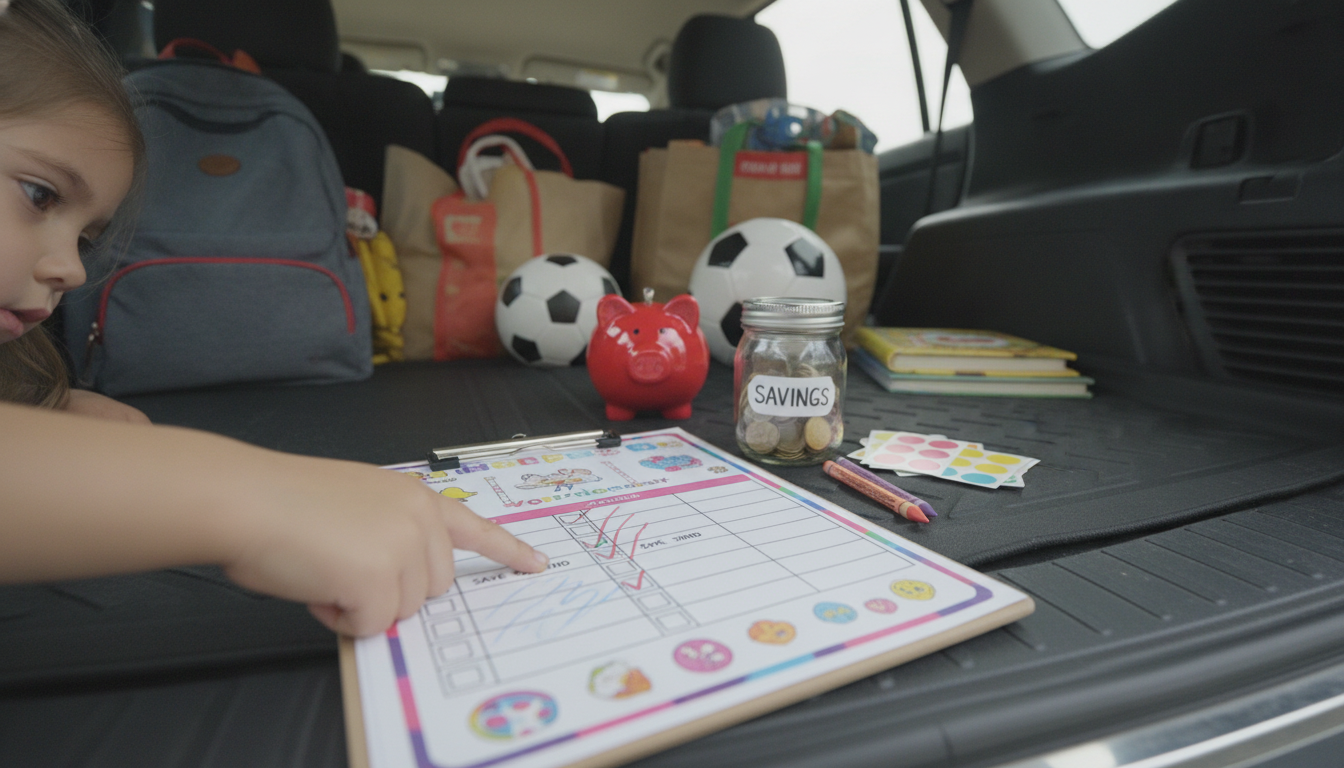
How do you teach kids good spending habits using a printable checklist?
A printable spending checklist turns money lessons into a simple routine kids can follow on their own. Instead of giving a quick “yes” or “no” to every purchase request, you guide them through the same set of questions each time, helping them pause, compare options, and understand trade-offs. Over time, that repeatable process becomes a habit.
Start with a purpose and a predictable money rhythm
Give the checklist a clear job: help your child decide what to do with money they have (allowance, gift money, or earnings). Then set a consistent schedule—weekly works well—so they can practice planning. A predictable rhythm makes it easier for kids to connect choices today with outcomes later.
Use the checklist at the moment of decision
Keep the printable somewhere visible (fridge, binder, or a clipboard near where money is stored). When your child wants to buy something, walk through it together the first few times. Focus on calm, quick steps such as: “What do I want?” “How much do I have?” “What will I have left after?” and “Is there a cheaper option?” The goal is to slow the impulse and make the math real.
Build in “save, spend, share” without turning it into a lecture
A strong checklist includes a spot to decide how much goes to saving, spending, and giving. Let kids choose percentages that fit their age and income, then review after a few weeks. If they’re always short on spending money, adjust expectations or increase the savings goal for a specific item so it feels motivating instead of restrictive.
Review results and celebrate smart choices
Once a week, do a two-minute check-in: What purchase felt worth it? What didn’t? What’s the next goal? Praise the process (waiting, comparing, tracking) more than the outcome. That’s how kids learn confidence—not just compliance.
For a ready-to-use printable and a step-by-step approach, visit this guide to a kids’ spending checklist and simple allowance money skills.
FAQ
What should be on a kids’ allowance checklist?
Include current balance, the item’s cost, what they’ll have left afterward, a quick “need vs. want” check, a savings goal line, and a place to note the decision (buy now, wait, or save). Keeping it to one page helps kids actually use it.
Recommended for you



Top 5 Stocks to Research Right Now (2026 List)
Jun 10, 2026













Leave a comment