-
Shop
- Adidas
- Advanced Technologies
- AI Skills
- AI Skills Mastery 2026 Collection
- Bathroom
- Best-Sellers
- Calvin Klein
- Car Accessories
- Confidence
- Dating & Social Skills
- Digital Resources
- AI & Technology
- Beauty
- Car Buying & Ownership
- Cozy Feast Collection
- Electronics & Technology
- Financial Education
- Hobbies
- Home Styling & Organization
- Kitchen & Recipes
- Mindset
- Online Business
- Parenting & Child Development
- Personal Style & Fashion
- Pet Lifestyle & Wellness
- Smart Life with AI
- Travel Planning
- Wellness
- Yoga & Fitness
- Education & Learning
- Family & Parenting
- Fashion
- Alexander McQueen
- Bags
- Bags & Wallets
- Balenciaga
- Belts
- Blazers
- Blouses & Shirts
- Bottega Veneta
- Brunello Cucinelli
- Burberry
- Chanel
- Chloé
- Dior
- Dolce & Gabbana
- Dresses
- Etro
- Fendi
- Gucci
- Hats & Hair Accessories
- Jacquemus
- Jewelry
- Jil Sander
- Keychains
- Kiton
- Luggage
- Luggage Bags
- Miu Miu
- Off-White
- Outerwear
- Prada
- Rick Owens
- Saint Laurent
- Scarves
- Shoes
- Socks & Tights
- Sunglasses
- The Row
- Tom Ford
- Valentino
- Valentino Garavani
- Versace
- Vivienne Westwood
- Watches
- Fashion Accessories
- Furniture
- Gadgets
- Health & Beauty
- Health & Wellness
- Home & Garden
- Home Decor
- Home Electronics
- Home Supplies
- Kids & Babies
- Kitchen
- Kitchen Best-Sellers
- Lighting
- Online Business for Beginners
- Patio, Lawn & Garden
- Personal Growth
- Pet Care
- Pet Supplies
- Pets
- Smart Amazon Shopping
- Smart Home Living Guides
- Sport & Outdoors
- Stress Relief & Relaxation
- Super Deals
- TikTok Growth & Monetization Mastery
- Travel
- Travel & Adventure
- Wealth
- Wealth Building
- Budgeting & Saving
- Cryptocurrency Investing
- Debt Management
- Entrepreneurship & Business Growth
- Family Finance & Budgeting
- Financial Independence
- Financial Mindset & Psychology
- Financial Planning
- Frugal Living & Expense Hacks
- Goal Setting
- High-Income Skills
- Investing Basics
- Leadership
- Motivation
- Networking & Mentorship
- Passive Income Strategies
- Real Estate Investing
- Side Hustles
- Stock Market Investing
- Popular
- Best deals
- Blog
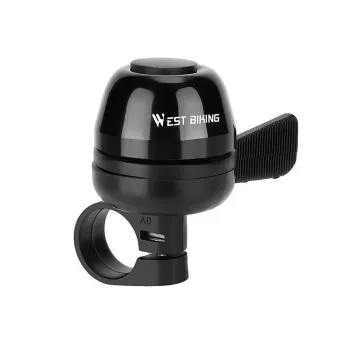
When to Ring a Bike Bell: Timing & Trail Etiquette
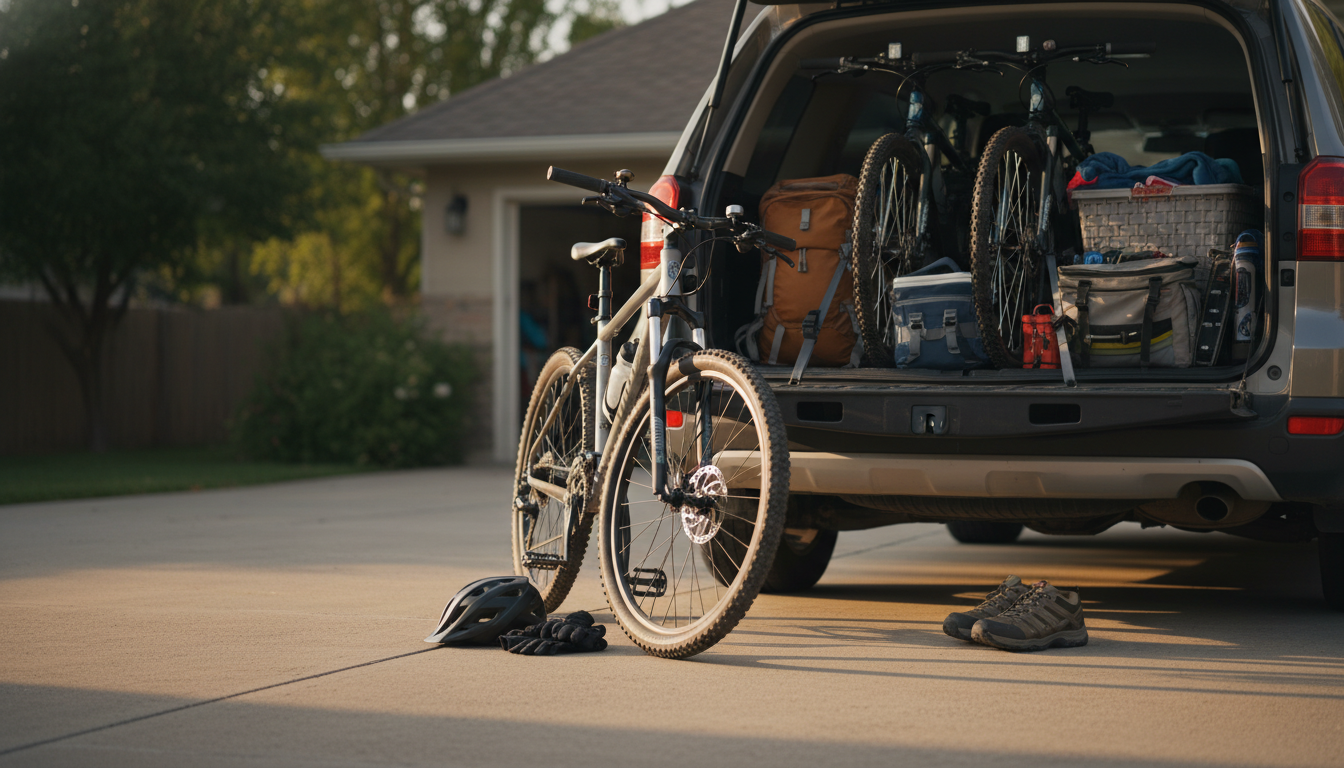
When to Ring a Bike Bell?
A bike bell works best as a friendly, early heads-up—not a last-second warning. Ring it anytime someone might not notice you approaching and there’s a chance your path could overlap. Done right, a bell reduces surprise, prevents swerves, and keeps shared spaces calmer for everyone.
Ring before you pass someone
If you’re overtaking a pedestrian, runner, or slower rider, ring from a reasonable distance so they have time to react. Aim for a few seconds before you reach them, then pass wide and at a controlled speed. On busy paths, a light “ding-ding” is usually enough; if they don’t respond, slow down rather than escalating into repeated loud ringing.
Ring at blind spots and pinch points
Use your bell when approaching blind corners, tight turns, bridge entrances, narrow multi-use paths, or places where sightlines are blocked by bushes, parked cars, or building edges. A quick ring before the corner helps alert others who may be stepping out or rolling through.
Ring in parking lots and near driveways
When riding past driveways, alleys, or parking-lot exits, drivers may be looking for cars—not bikes. A brief ring can increase your visibility, especially if you see wheels creeping forward or a driver’s head turning late.
Ring when conditions reduce awareness
Wind, traffic noise, headphones, and crowds make it harder for people to hear your tires or freehub. In those situations, ring earlier than usual and be ready to slow down. The bell is a signal, not a guarantee someone will move predictably.
Use good bell etiquette
Keep the tone polite and the timing generous. Pair the bell with safe passing: reduce speed, leave space, and avoid squeezing through. If needed, add a calm verbal cue like “Passing on your left,” but don’t rely on shouting as a substitute for safe spacing.
For more guidance on using a bell safely and courteously, visit https://winkplaza.com/when-to-ring-a-bike-bell/.
FAQ
What should you do if someone doesn’t respond to your bike bell?
Slow down and be prepared to stop, then pass only when there’s clearly enough room and the other person’s movement is predictable. If it’s crowded, wait behind until it’s safe instead of repeatedly ringing.
Recommended for you

Buying Local: What Your Purchases Say About You
May 25, 2026













Leave a comment