-
Shop
- Adidas
- Advanced Technologies
- AI Skills
- AI Skills Mastery 2026 Collection
- Bathroom
- Best-Sellers
- Calvin Klein
- Car Accessories
- Confidence
- Dating & Social Skills
- Digital Resources
- AI & Technology
- Beauty
- Car Buying & Ownership
- Cozy Feast Collection
- Electronics & Technology
- Financial Education
- Hobbies
- Home Styling & Organization
- Kitchen & Recipes
- Mindset
- Online Business
- Parenting & Child Development
- Personal Style & Fashion
- Pet Lifestyle & Wellness
- Smart Life with AI
- Travel Planning
- Wellness
- Yoga & Fitness
- Education & Learning
- Family & Parenting
- Fashion
- Alexander McQueen
- Bags
- Bags & Wallets
- Balenciaga
- Belts
- Blazers
- Blouses & Shirts
- Bottega Veneta
- Brunello Cucinelli
- Burberry
- Chanel
- Chloé
- Dior
- Dolce & Gabbana
- Dresses
- Etro
- Fendi
- Gucci
- Hats & Hair Accessories
- Jacquemus
- Jewelry
- Jil Sander
- Keychains
- Kiton
- Luggage
- Luggage Bags
- Miu Miu
- Off-White
- Outerwear
- Prada
- Rick Owens
- Saint Laurent
- Scarves
- Shoes
- Socks & Tights
- Sunglasses
- The Row
- Tom Ford
- Valentino
- Valentino Garavani
- Versace
- Vivienne Westwood
- Watches
- Fashion Accessories
- Furniture
- Gadgets
- Health & Beauty
- Health & Wellness
- Home & Garden
- Home Decor
- Home Electronics
- Home Supplies
- Kids & Babies
- Kitchen
- Kitchen Best-Sellers
- Lighting
- Online Business for Beginners
- Patio, Lawn & Garden
- Personal Growth
- Pet Care
- Pet Supplies
- Pets
- Smart Amazon Shopping
- Smart Home Living Guides
- Sport & Outdoors
- Stress Relief & Relaxation
- Super Deals
- TikTok Growth & Monetization Mastery
- Travel
- Travel & Adventure
- Wealth
- Wealth Building
- Budgeting & Saving
- Cryptocurrency Investing
- Debt Management
- Entrepreneurship & Business Growth
- Family Finance & Budgeting
- Financial Independence
- Financial Mindset & Psychology
- Financial Planning
- Frugal Living & Expense Hacks
- Goal Setting
- High-Income Skills
- Investing Basics
- Leadership
- Motivation
- Networking & Mentorship
- Passive Income Strategies
- Real Estate Investing
- Side Hustles
- Stock Market Investing
- Popular
- Best deals
- Blog
Best Books on Discipline & Motivation: Habits to Action
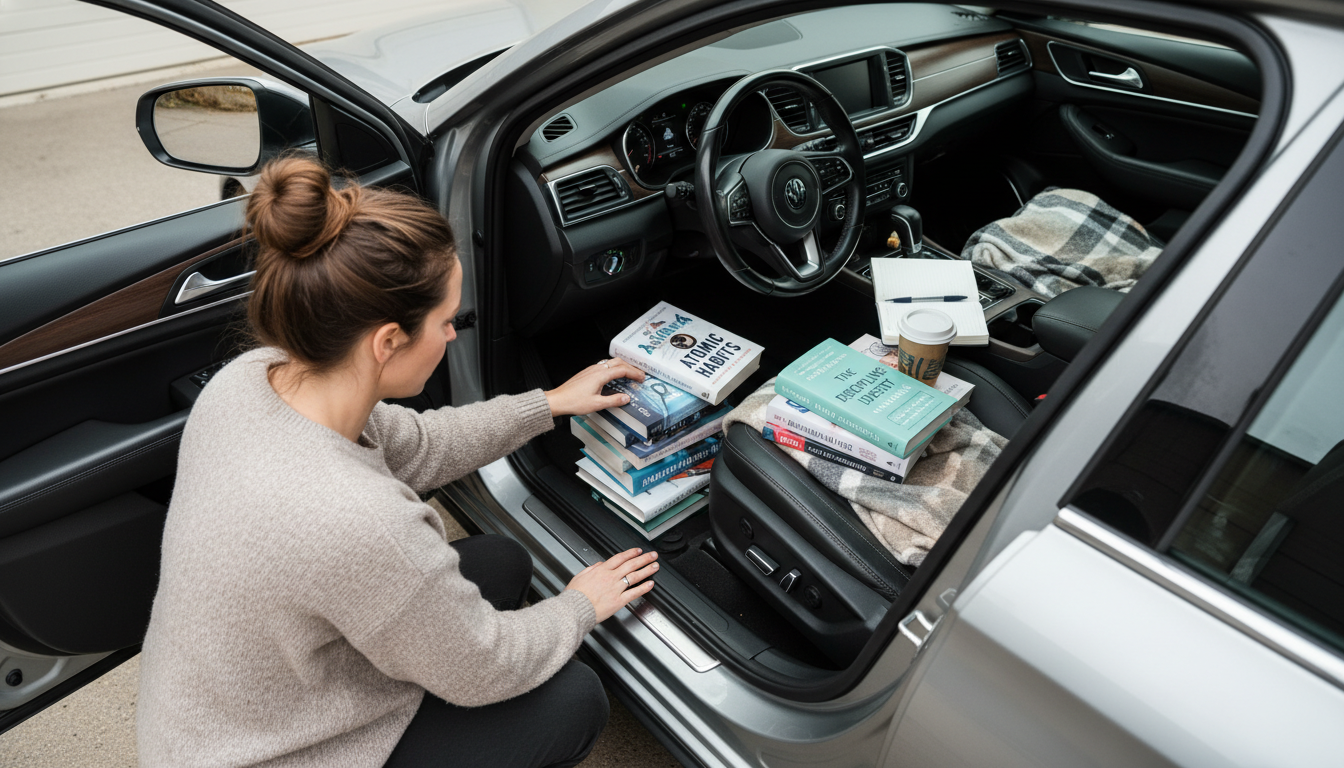
What books discuss discipline and motivation?
Books on discipline and motivation generally fall into three helpful buckets: habit-building (how behavior becomes automatic), mindset (how to think through friction and setbacks), and execution (how to plan, prioritize, and follow through). Mixing one title from each bucket can create a well-rounded “read and do” stack that supports both drive and consistency.
Habit and behavior books (discipline that lasts)
“Atomic Habits” by James Clear is a go-to for making discipline easier by designing your environment, tracking small wins, and focusing on identity (“be the type of person who…”). “The Power of Habit” by Charles Duhigg explains the cue–routine–reward loop and how to swap habits without relying on willpower alone.
Mindset and mental toughness (motivation when you don’t feel like it)
“Mindset” by Carol S. Dweck connects long-term motivation to a growth-oriented approach—especially useful when progress is slow. “Grit” by Angela Duckworth explores perseverance and how commitment to a long-term aim can outperform bursts of inspiration.
Action and execution (turning intention into follow-through)
“Deep Work” by Cal Newport is strong for disciplined focus, reducing distractions, and making meaningful progress in less time. “The War of Art” by Steven Pressfield is a short, punchy read about overcoming resistance—the invisible force that keeps goals stuck in “someday.”
Make the reading stick
To turn motivation into real change, pair reading with a short reset: choose one takeaway, set a tiny daily action, and review weekly. For a practical way to build momentum fast, see this 7-day reset guide to motivational reading that sticks.
For Best Books on Discipline & Motivation: Habits to Action, the best answer depends on fit, material, care instructions, and how the product will be used day to day.
FAQ
How can I stay consistent when motivation drops?
Lower the daily “start cost” by shrinking the habit to a 2–5 minute version, and anchor it to an existing routine (like after coffee). Consistency improves when the next step is obvious and easy, even on low-energy days.
















Leave a comment