-
Shop
- Adidas
- Advanced Technologies
- AI Skills
- AI Skills Mastery 2026 Collection
- Bathroom
- Best-Sellers
- Calvin Klein
- Car Accessories
- Confidence
- Dating & Social Skills
- Digital Resources
- AI & Technology
- Beauty
- Car Buying & Ownership
- Cozy Feast Collection
- Electronics & Technology
- Financial Education
- Hobbies
- Home Styling & Organization
- Kitchen & Recipes
- Mindset
- Online Business
- Parenting & Child Development
- Personal Style & Fashion
- Pet Lifestyle & Wellness
- Smart Life with AI
- Travel Planning
- Wellness
- Yoga & Fitness
- Education & Learning
- Family & Parenting
- Fashion
- Alexander McQueen
- Bags
- Bags & Wallets
- Balenciaga
- Belts
- Blazers
- Blouses & Shirts
- Bottega Veneta
- Brunello Cucinelli
- Burberry
- Chanel
- Chloé
- Dior
- Dolce & Gabbana
- Dresses
- Etro
- Fendi
- Gucci
- Hats & Hair Accessories
- Jacquemus
- Jewelry
- Jil Sander
- Keychains
- Kiton
- Luggage
- Luggage Bags
- Miu Miu
- Off-White
- Outerwear
- Prada
- Rick Owens
- Saint Laurent
- Scarves
- Shoes
- Socks & Tights
- Sunglasses
- The Row
- Tom Ford
- Valentino
- Valentino Garavani
- Versace
- Vivienne Westwood
- Watches
- Fashion Accessories
- Furniture
- Gadgets
- Health & Beauty
- Health & Wellness
- Home & Garden
- Home Decor
- Home Electronics
- Home Supplies
- Kids & Babies
- Kitchen
- Kitchen Best-Sellers
- Lighting
- Online Business for Beginners
- Patio, Lawn & Garden
- Personal Growth
- Pet Care
- Pet Supplies
- Pets
- Smart Amazon Shopping
- Smart Home Living Guides
- Sport & Outdoors
- Stress Relief & Relaxation
- Super Deals
- TikTok Growth & Monetization Mastery
- Travel
- Travel & Adventure
- Wealth
- Wealth Building
- Budgeting & Saving
- Cryptocurrency Investing
- Debt Management
- Entrepreneurship & Business Growth
- Family Finance & Budgeting
- Financial Independence
- Financial Mindset & Psychology
- Financial Planning
- Frugal Living & Expense Hacks
- Goal Setting
- High-Income Skills
- Investing Basics
- Leadership
- Motivation
- Networking & Mentorship
- Passive Income Strategies
- Real Estate Investing
- Side Hustles
- Stock Market Investing
- Popular
- Best deals
- Blog
10 Common Business Expenses (With Clear Examples)
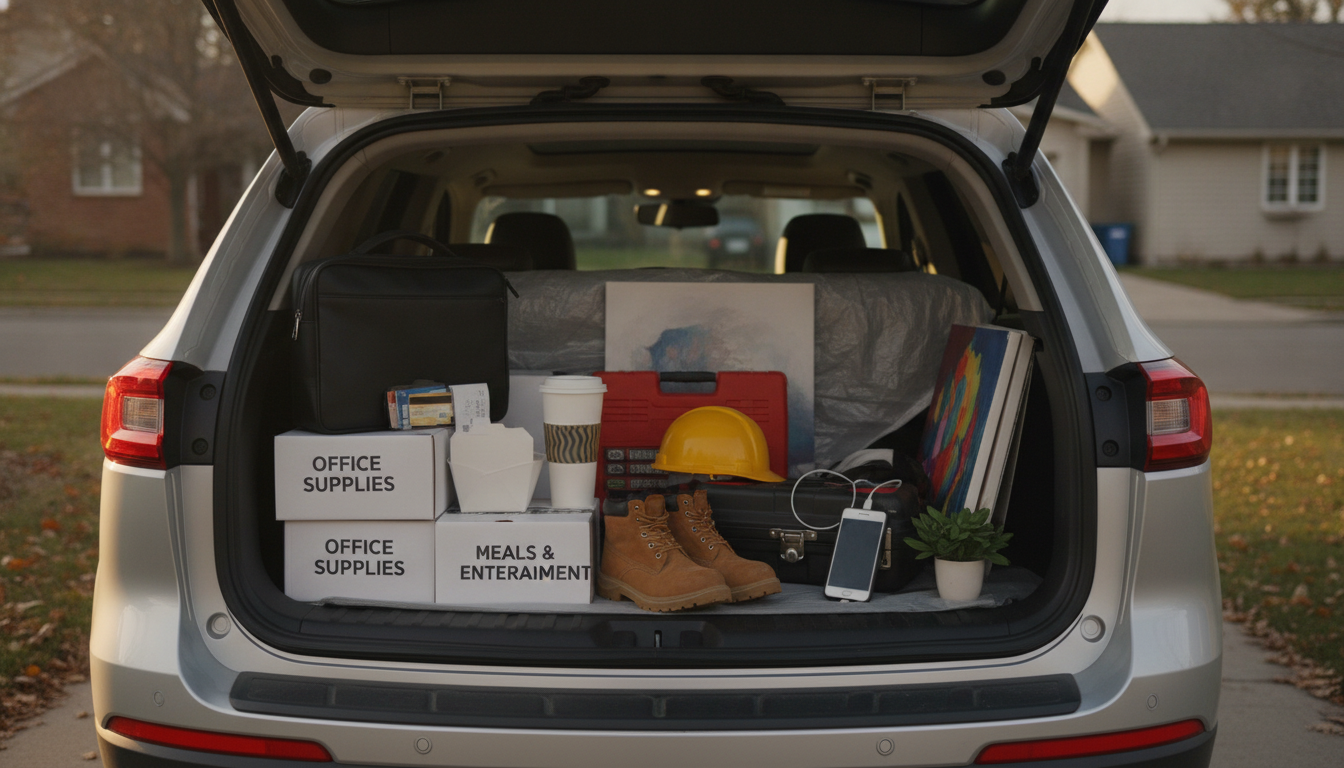
What are 10 examples of expenses in business?
Business expenses are the everyday costs required to keep operations running. They can be fixed, variable, or occasional, but they all impact cash flow and profitability. Below are 10 common examples many businesses track each month:
- Rent or lease payments: Office, retail, warehouse, or equipment lease costs.
- Payroll and wages: Employee salaries, hourly pay, overtime, and employer payroll taxes.
- Utilities: Electricity, water, gas, trash service, and internet for business locations.
- Inventory and raw materials: Products purchased for resale or supplies used to produce goods.
- Shipping and delivery: Postage, courier fees, freight, fulfillment, and packaging materials.
- Marketing and advertising: Paid ads, promotions, printing, sponsored content, and agency fees.
- Insurance premiums: General liability, workers’ comp, commercial auto, and property coverage.
- Professional services: Accounting, bookkeeping, legal counsel, consulting, and outsourced specialists.
- Software and subscriptions: POS systems, e-commerce platforms, SaaS tools, and cloud services.
- Repairs and maintenance: Fixing equipment, maintaining facilities, and routine servicing to prevent downtime.
To see more context and additional examples, visit this guide on examples of expenses in business.
For 10 Common Business Expenses (With Clear Examples), the best answer depends on fit, material, care instructions, and how the product will be used day to day.
Checking those details first helps avoid a poor match and keeps the choice practical after delivery.
For 10 Common Business Expenses (With Clear Examples), the best answer depends on fit, material, care instructions, and how the product will be used day to day.
Checking those details first helps avoid a poor match and keeps the choice practical after delivery.
For 10 Common Business Expenses (With Clear Examples), the best answer depends on fit, material, care instructions, and how the product will be used day to day.
FAQ
How do business expenses differ from capital expenditures?
Business expenses are ordinary costs tied to running day-to-day operations, while capital expenditures are purchases of long-term assets like equipment or property. Capital items are typically used over multiple years and may be depreciated rather than fully expensed right away.
Recommended for you



Best Dress Colors for Your Skin Tone (Female Guide)
Jun 15, 2026
Claiming Business Expenses: When It’s Worth It
Jun 15, 2026













Leave a comment