-
Shop
- Adidas
- Advanced Technologies
- AI Skills
- AI Skills Mastery 2026 Collection
- Bathroom
- Best-Sellers
- Calvin Klein
- Car Accessories
- Confidence
- Dating & Social Skills
- Digital Resources
- AI & Technology
- Beauty
- Car Buying & Ownership
- Cozy Feast Collection
- Electronics & Technology
- Financial Education
- Hobbies
- Home Styling & Organization
- Kitchen & Recipes
- Mindset
- Online Business
- Parenting & Child Development
- Personal Style & Fashion
- Pet Lifestyle & Wellness
- Smart Life with AI
- Travel Planning
- Wellness
- Yoga & Fitness
- Education & Learning
- Family & Parenting
- Fashion
- Alexander McQueen
- Bags
- Bags & Wallets
- Balenciaga
- Belts
- Blazers
- Blouses & Shirts
- Bottega Veneta
- Brunello Cucinelli
- Burberry
- Chanel
- Chloé
- Dior
- Dolce & Gabbana
- Dresses
- Etro
- Fendi
- Gucci
- Hats & Hair Accessories
- Jacquemus
- Jewelry
- Jil Sander
- Keychains
- Kiton
- Luggage
- Luggage Bags
- Miu Miu
- Off-White
- Outerwear
- Prada
- Rick Owens
- Saint Laurent
- Scarves
- Shoes
- Socks & Tights
- Sunglasses
- The Row
- Tom Ford
- Valentino
- Valentino Garavani
- Versace
- Vivienne Westwood
- Watches
- Fashion Accessories
- Furniture
- Gadgets
- Health & Beauty
- Health & Wellness
- Home & Garden
- Home Decor
- Home Electronics
- Home Supplies
- Kids & Babies
- Kitchen
- Kitchen Best-Sellers
- Lighting
- Online Business for Beginners
- Patio, Lawn & Garden
- Personal Growth
- Pet Care
- Pet Supplies
- Pets
- Smart Amazon Shopping
- Smart Home Living Guides
- Sport & Outdoors
- Stress Relief & Relaxation
- Super Deals
- TikTok Growth & Monetization Mastery
- Travel
- Travel & Adventure
- Wealth
- Wealth Building
- Budgeting & Saving
- Cryptocurrency Investing
- Debt Management
- Entrepreneurship & Business Growth
- Family Finance & Budgeting
- Financial Independence
- Financial Mindset & Psychology
- Financial Planning
- Frugal Living & Expense Hacks
- Goal Setting
- High-Income Skills
- Investing Basics
- Leadership
- Motivation
- Networking & Mentorship
- Passive Income Strategies
- Real Estate Investing
- Side Hustles
- Stock Market Investing
- Popular
- Best deals
- Blog
Bike Bell Legality in the U.S.: What Riders Should Know
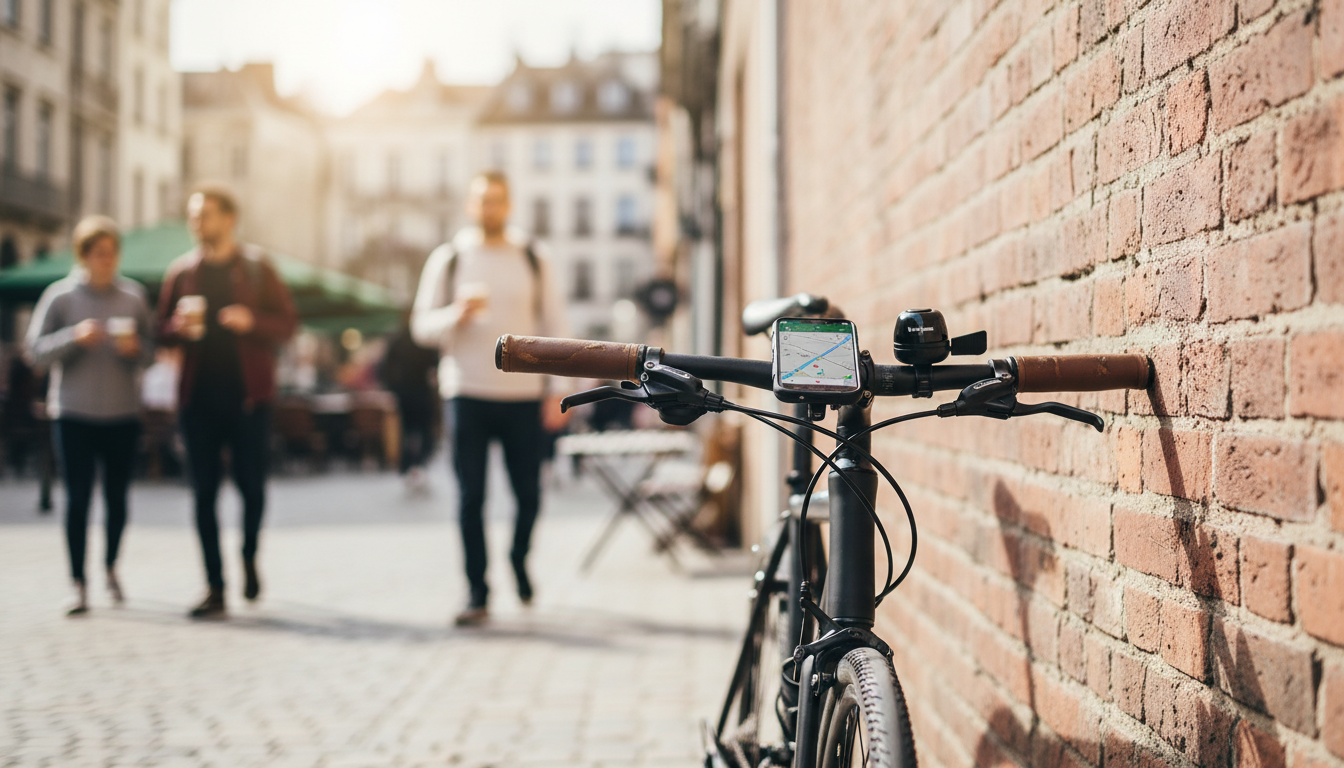
Is it legal to have a bell on a bike?
In most places in the U.S., it’s legal to have a bell on your bike, and it’s often encouraged as a simple safety device. A bike bell is generally treated as a non-motorized warning signal, similar to a horn, and it typically doesn’t violate equipment rules as long as it isn’t excessively loud or used in a way that creates a disturbance.
Answer
Bike-bell legality is mostly governed by state and local traffic codes, so the details can vary. Many jurisdictions explicitly allow bells and other audible signals on bicycles, and some rules require a cyclist to have a way to “give an audible warning” when passing. In those areas, a bell can help you meet the requirement without needing to shout or rely on pedestrians noticing you.
Where rules get specific, they usually focus on behavior rather than the bell itself: using the signal at a reasonable distance, avoiding aggressive or prolonged ringing, and yielding appropriately. A bell doesn’t replace safe passing etiquette—slow down when needed, announce your presence early, and give people room to react.
If you ride in places with heavy foot traffic (shared-use paths, parks, waterfront trails), a bell is commonly accepted and can reduce near-misses. It can also be useful in urban riding when you need a quick, clear alert for other cyclists, runners, or pedestrians who may not hear a voice call over city noise.
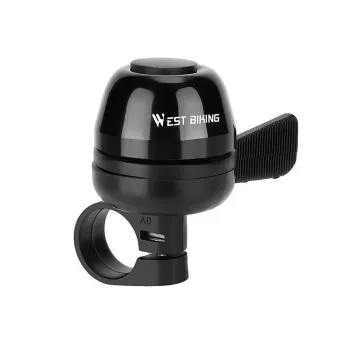
To choose a bell that’s easy to mount and quick to use, see this helpful guide: Mini Retro Aluminum Bike Bell Guide.
What to check locally
Because cities and trail systems sometimes add their own rules, it’s smart to confirm: (1) whether an audible warning device is required, (2) any “noise” or “disturbance” restrictions that could apply to repeated ringing, and (3) trail etiquette signage about passing. If your area requires an audible signal, a bell is usually one of the simplest ways to comply.
FAQ
Do I need a horn or audible warning device on a bicycle?
It depends on your state or city code, but many places require cyclists to have a way to give an audible warning when reasonably necessary. A bell commonly satisfies that requirement and is widely accepted on roads and shared-use paths.















Leave a comment