-
Shop
- Adidas
- Advanced Technologies
- AI Skills
- AI Skills Mastery 2026 Collection
- Bathroom
- Best-Sellers
- Calvin Klein
- Car Accessories
- Confidence
- Dating & Social Skills
- Digital Resources
- AI & Technology
- Beauty
- Car Buying & Ownership
- Cozy Feast Collection
- Electronics & Technology
- Financial Education
- Hobbies
- Home Styling & Organization
- Kitchen & Recipes
- Mindset
- Online Business
- Parenting & Child Development
- Personal Style & Fashion
- Pet Lifestyle & Wellness
- Smart Life with AI
- Travel Planning
- Wellness
- Yoga & Fitness
- Education & Learning
- Family & Parenting
- Fashion
- Alexander McQueen
- Bags
- Bags & Wallets
- Balenciaga
- Belts
- Blazers
- Blouses & Shirts
- Bottega Veneta
- Brunello Cucinelli
- Burberry
- Chanel
- Chloé
- Dior
- Dolce & Gabbana
- Dresses
- Etro
- Fendi
- Gucci
- Hats & Hair Accessories
- Jacquemus
- Jewelry
- Jil Sander
- Keychains
- Kiton
- Luggage
- Luggage Bags
- Miu Miu
- Off-White
- Outerwear
- Prada
- Rick Owens
- Saint Laurent
- Scarves
- Shoes
- Socks & Tights
- Sunglasses
- The Row
- Tom Ford
- Valentino
- Valentino Garavani
- Versace
- Vivienne Westwood
- Watches
- Fashion Accessories
- Furniture
- Gadgets
- Health & Beauty
- Health & Wellness
- Home & Garden
- Home Decor
- Home Electronics
- Home Supplies
- Kids & Babies
- Kitchen
- Kitchen Best-Sellers
- Lighting
- Online Business for Beginners
- Patio, Lawn & Garden
- Personal Growth
- Pet Care
- Pet Supplies
- Pets
- Smart Amazon Shopping
- Smart Home Living Guides
- Sport & Outdoors
- Stress Relief & Relaxation
- Super Deals
- TikTok Growth & Monetization Mastery
- Travel
- Travel & Adventure
- Wealth
- Wealth Building
- Budgeting & Saving
- Cryptocurrency Investing
- Debt Management
- Entrepreneurship & Business Growth
- Family Finance & Budgeting
- Financial Independence
- Financial Mindset & Psychology
- Financial Planning
- Frugal Living & Expense Hacks
- Goal Setting
- High-Income Skills
- Investing Basics
- Leadership
- Motivation
- Networking & Mentorship
- Passive Income Strategies
- Real Estate Investing
- Side Hustles
- Stock Market Investing
- Popular
- Best deals
- Blog
Build Perseverance and Grit: 6 Practical Habits
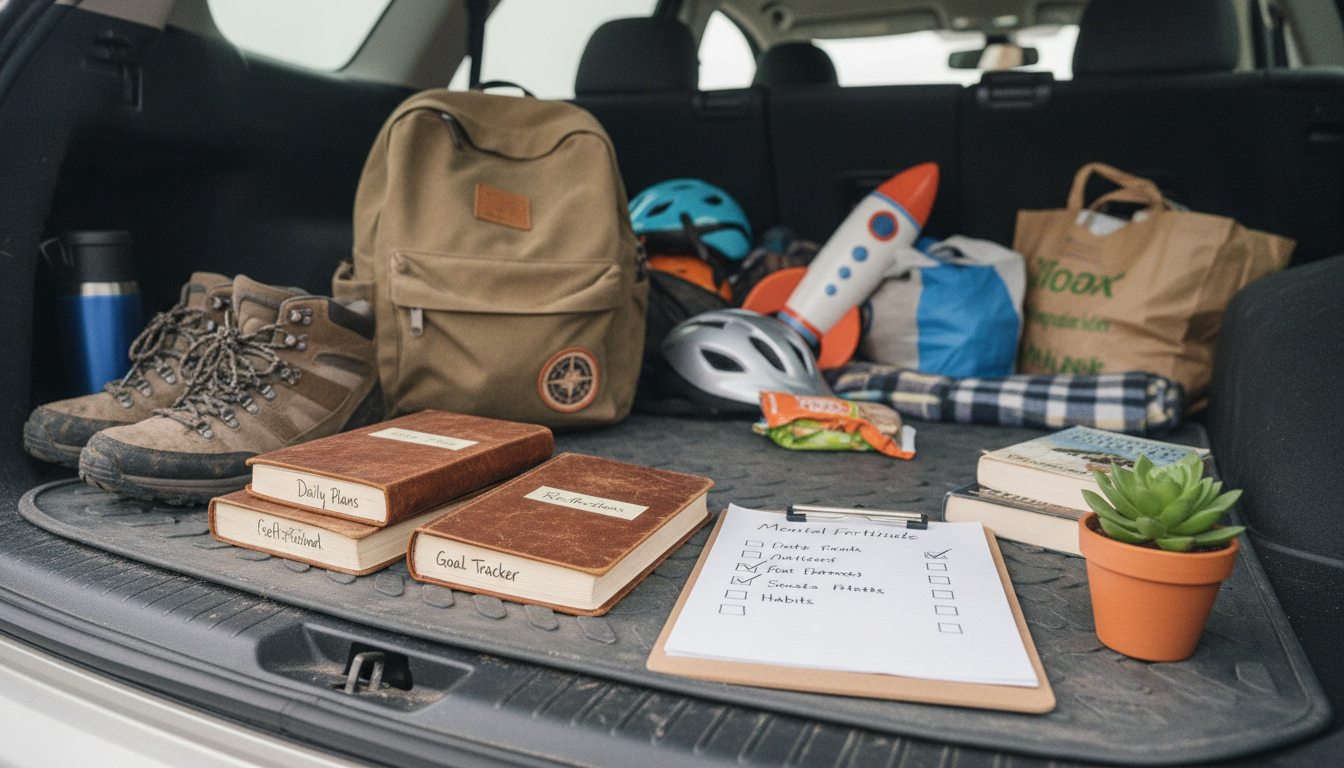
How can we develop perseverance and grit?
Perseverance and grit aren’t personality traits you either have or don’t have—they’re skills built through repeated practice. The goal is to keep showing up when motivation fades, progress feels slow, or setbacks hit. That starts with setting a clear direction, strengthening daily follow-through, and learning to recover quickly after disappointment.
1) Choose a “why” that can outlast a bad day
Grit grows fastest when effort is connected to something meaningful. Write a one-sentence purpose for your goal (who it helps, what it changes, what it proves to you). When things get hard, reread it before deciding to quit.
2) Break big goals into “next reps”
Perseverance is easier when the next step is obvious. Convert your goal into small actions you can complete in 10–30 minutes. Finishing “one rep” builds momentum and reduces the urge to wait for perfect conditions.
3) Expect friction and plan for it
Identify the top 2–3 obstacles that normally derail you—time, energy, distractions, fear of failure—and pre-decide a response. Simple rules like “If I miss a day, I restart the next morning” prevent one slip from becoming a spiral.
4) Practice discomfort on purpose
Grit is trained by doing hard things consistently, not occasionally. Pick one small challenge you’ll repeat (extra set, extra outreach, extra page, extra mile). Controlled discomfort teaches your brain that struggle is survivable and temporary.
5) Track effort, not just outcomes
Outcomes can lag, but effort is measurable today. Keep a short log of actions completed, time spent, and what you learned. Seeing your consistency in writing makes persistence feel rational, not emotional.
6) Reframe setbacks as data
When you fail, ask: What specifically happened? What will I change next attempt? Treating setbacks like feedback speeds improvement and protects confidence.
For a step-by-step checklist you can follow, visit this guide on unshakeable perseverance and a 10-step grit checklist.
FAQ
How do you stay consistent when motivation disappears?
Make the task smaller and non-negotiable (10 minutes counts), do it at a fixed time, and track the streak. Consistency is usually a system problem, not a willpower problem.
Recommended for you



5 Steps to Build Perseverance and Grit That Lasts
Jun 16, 2026













Leave a comment