-
Shop
- Adidas
- Advanced Technologies
- AI Skills
- AI Skills Mastery 2026 Collection
- Bathroom
- Best-Sellers
- Calvin Klein
- Car Accessories
- Confidence
- Dating & Social Skills
- Digital Resources
- AI & Technology
- Beauty
- Car Buying & Ownership
- Cozy Feast Collection
- Electronics & Technology
- Financial Education
- Hobbies
- Home Styling & Organization
- Kitchen & Recipes
- Mindset
- Online Business
- Parenting & Child Development
- Personal Style & Fashion
- Pet Lifestyle & Wellness
- Smart Life with AI
- Travel Planning
- Wellness
- Yoga & Fitness
- Education & Learning
- Family & Parenting
- Fashion
- Alexander McQueen
- Bags
- Bags & Wallets
- Balenciaga
- Belts
- Blazers
- Blouses & Shirts
- Bottega Veneta
- Brunello Cucinelli
- Burberry
- Chanel
- Chloé
- Dior
- Dolce & Gabbana
- Dresses
- Etro
- Fendi
- Gucci
- Hats & Hair Accessories
- Jacquemus
- Jewelry
- Jil Sander
- Keychains
- Kiton
- Luggage
- Luggage Bags
- Miu Miu
- Off-White
- Outerwear
- Prada
- Rick Owens
- Saint Laurent
- Scarves
- Shoes
- Socks & Tights
- Sunglasses
- The Row
- Tom Ford
- Valentino
- Valentino Garavani
- Versace
- Vivienne Westwood
- Watches
- Fashion Accessories
- Furniture
- Gadgets
- Health & Beauty
- Health & Wellness
- Home & Garden
- Home Decor
- Home Electronics
- Home Supplies
- Kids & Babies
- Kitchen
- Kitchen Best-Sellers
- Lighting
- Online Business for Beginners
- Patio, Lawn & Garden
- Personal Growth
- Pet Care
- Pet Supplies
- Pets
- Smart Amazon Shopping
- Smart Home Living Guides
- Sport & Outdoors
- Stress Relief & Relaxation
- Super Deals
- TikTok Growth & Monetization Mastery
- Travel
- Travel & Adventure
- Wealth
- Wealth Building
- Budgeting & Saving
- Cryptocurrency Investing
- Debt Management
- Entrepreneurship & Business Growth
- Family Finance & Budgeting
- Financial Independence
- Financial Mindset & Psychology
- Financial Planning
- Frugal Living & Expense Hacks
- Goal Setting
- High-Income Skills
- Investing Basics
- Leadership
- Motivation
- Networking & Mentorship
- Passive Income Strategies
- Real Estate Investing
- Side Hustles
- Stock Market Investing
- Popular
- Best deals
- Blog
Teen Activity Support Checklist for Parents (Printable)
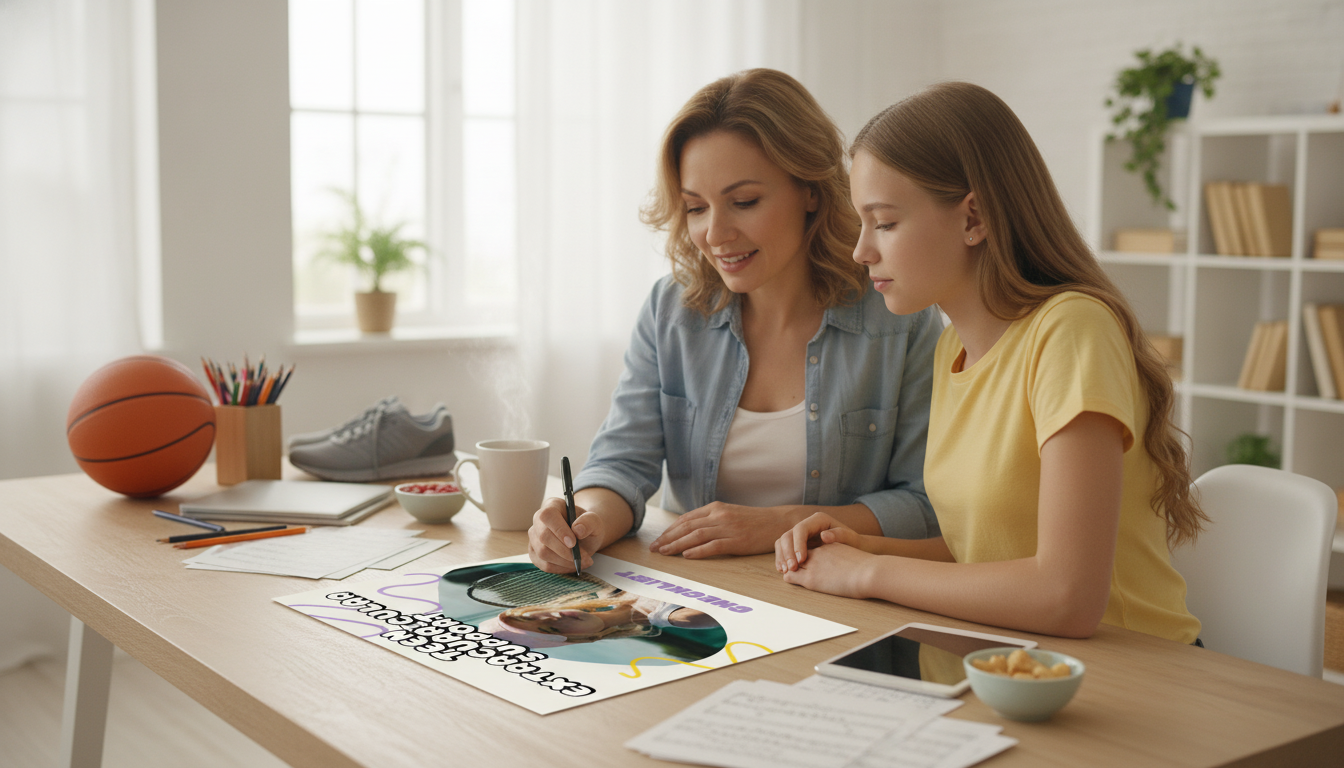
Teen Extracurricular Support Checklist: A Parent’s Printable Guide to Staying Organized
Supporting a teen’s activities can feel like a second job—rides, fees, gear, deadlines, performances, meets, travel, and schoolwork all competing for attention. A simple checklist system helps parents stay consistent without hovering: set expectations, build routines, and keep communication clear so teens can grow skills, confidence, and independence. For more guidance, see Indirect Effects of the Family Check-Up on Youth Extracurricular ….
What extracurricular support looks like at home
Most families do better with a clear definition of “support” so it doesn’t quietly turn into doing everything for your teen. A balanced approach usually includes four types of support: For further reading, see How to Motivate Your Child or Teen to Join Extracurricular Activities.
- Practical support: scheduling, transportation planning, budget tracking, forms, and supplies.
- Emotional support: encouragement after setbacks, celebrating effort, and keeping pressure in check.
- Skill support: helping teens plan, reflect, and advocate for themselves (emails, questions, time management).
- Boundary support: protecting downtime, sleep, and family priorities so activities don’t take over everything.
When these are intentionally divided, teens learn independence without losing the safety net that keeps life running smoothly.
Start with a one-week reset (the least-overwhelming way to get organized)
If the current routine feels chaotic, aim for a short reset rather than a total life overhaul. One week is enough to see patterns and reduce last-minute scrambling.
- List every activity and commitment (practices, rehearsals, games, volunteering, clubs, lessons, job shifts).
- Identify “fixed” vs “flexible” items: fixed items don’t move; flexible items include study blocks, chores, and social time.
- Pick two non-negotiables: a consistent sleep window and a weekly planning check-in (10–15 minutes).
- Create a shared calendar view: phone calendar, wall calendar, or a printed weekly sheet—whatever gets used daily.
- Set a communication rule: teens message updates early (schedule changes, ride needs, deadlines), not five minutes before.
Sleep is a powerful stabilizer for mood, learning, and recovery. If you need a baseline, the American Academy of Pediatrics offers teen sleep guidance that can help families set realistic expectations: American Academy of Pediatrics — Sleep in Adolescents.
The checklist system: plan, prepare, and review
A checklist works best when it matches how life actually happens: you plan once, prepare daily, and review regularly so you can adjust before burnout hits.
Plan (weekly)
- Confirm schedule, transportation, deadlines, upcoming costs, and academic load.
- Quickly scan for “pinch points” (late nights, back-to-back commitments, test weeks).
Prepare (daily)
- Pack gear the night before.
- Confirm meeting times/locations.
- Charge devices and set alarms.
- Fill water and prep simple snacks/meals when needed.
Review (monthly)
- Check stress level, grades, enjoyment, coach/leader fit, and whether the activity still aligns with goals.
- Use a “minimum effective support” approach: parents handle logistics that require adults; teens handle what they reasonably can.
Weekly Extracurricular Support Checklist (printable structure)
| Category | What to confirm | Who owns it | Due/When |
|---|---|---|---|
| Schedule | Practice/game times, locations, cancellations | Teen updates; parent verifies | Sun evening |
| Transportation | Pickups, carpools, public transit plan, backup ride | Parent + teen | 24–48 hours ahead |
| Equipment | Uniform/gear cleaned, supplies restocked, devices charged | Teen | Night before |
| Admin | Forms, permissions, fees, physicals, team app updates | Parent handles payment; teen tracks deadlines | As assigned |
| School balance | Big tests/projects, tutoring, study blocks | Teen | Weekly check-in |
| Well-being | Sleep plan, nutrition, recovery time, stress signs | Parent observes; teen reports | Ongoing |
Support without taking over: autonomy-friendly habits
The goal is competence, not dependence. Try habits that keep teens in the driver’s seat while you still provide structure.
- Ask coaching questions instead of giving instant solutions: “What’s your plan for getting there on time?”
- Let low-stakes natural consequences happen (forgetting an item once) rather than repeated rescuing that teaches “someone else will fix it.”
- Encourage direct communication: teens email coaches/club advisors about conflicts and questions.
- Keep feedback specific and effort-based: highlight preparation, teamwork, and resilience—not only wins.
- Create a debrief ritual: one question after events (“What felt hardest?” or “What are you proud of?”).
For active teens, the CDC’s youth physical activity guidance can also be a helpful reference point when balancing training, recovery, and overall health: CDC — Physical Activity Guidelines for School-Aged Children and Adolescents.
When to adjust: signs an activity needs a reset
Sometimes “more support” isn’t the answer—changing the plan is. Consider a reset if you notice:
If college planning is part of the conversation, focusing on sustained commitment and healthy balance tends to serve teens better than overpacking a schedule. NACAC’s student resources are a solid, non-alarmist place to start: National Association for College Admission Counseling (NACAC) — Preparing for College.
Make it easy: a printable checklist parents can use immediately
If you want a done-for-you version, the Teen Extracurricular Support Checklist (printable digital download) is designed to track schedules, preparation, forms/fees, and weekly check-ins in one place.
For families also trying to reduce morning chaos (and get phones out of the way before school), pair it with The No-Phone Morning Ritual Checklist (digital download) to support focus and smoother starts.
Teen Extracurricular Support Checklist (digital download)
Shop the Teen Extracurricular Support Checklist here.
FAQ
What is extracurricular support?
Extracurricular support is the practical, emotional, and skill-building help that enables teens to participate consistently while learning independence. It can include scheduling and transportation planning, encouragement after setbacks, and teaching teens to communicate with coaches/advisors and manage their time.
What high school extracurricular activities impress universities the most?
Universities typically value depth over quantity: sustained commitment, leadership, measurable impact, and activities that genuinely fit a student’s interests. Examples include long-term involvement with increasing responsibility (captain/section leader), meaningful community service, research, or starting and growing a club with clear outcomes.















Leave a comment