-
Shop
- Adidas
- Advanced Technologies
- AI Skills
- AI Skills Mastery 2026 Collection
- Bathroom
- Best-Sellers
- Calvin Klein
- Car Accessories
- Confidence
- Dating & Social Skills
- Digital Resources
- AI & Technology
- Beauty
- Car Buying & Ownership
- Cozy Feast Collection
- Electronics & Technology
- Financial Education
- Hobbies
- Home Styling & Organization
- Kitchen & Recipes
- Mindset
- Online Business
- Parenting & Child Development
- Personal Style & Fashion
- Pet Lifestyle & Wellness
- Smart Life with AI
- Travel Planning
- Wellness
- Yoga & Fitness
- Education & Learning
- Family & Parenting
- Fashion
- Alexander McQueen
- Bags
- Bags & Wallets
- Balenciaga
- Belts
- Blazers
- Blouses & Shirts
- Bottega Veneta
- Brunello Cucinelli
- Burberry
- Chanel
- Chloé
- Dior
- Dolce & Gabbana
- Dresses
- Etro
- Fendi
- Gucci
- Hats & Hair Accessories
- Jacquemus
- Jewelry
- Jil Sander
- Keychains
- Kiton
- Luggage
- Luggage Bags
- Miu Miu
- Off-White
- Outerwear
- Prada
- Rick Owens
- Saint Laurent
- Scarves
- Shoes
- Socks & Tights
- Sunglasses
- The Row
- Tom Ford
- Valentino
- Valentino Garavani
- Versace
- Vivienne Westwood
- Watches
- Fashion Accessories
- Furniture
- Gadgets
- Health & Beauty
- Health & Wellness
- Home & Garden
- Home Decor
- Home Electronics
- Home Supplies
- Kids & Babies
- Kitchen
- Kitchen Best-Sellers
- Lighting
- Online Business for Beginners
- Patio, Lawn & Garden
- Personal Growth
- Pet Care
- Pet Supplies
- Pets
- Smart Amazon Shopping
- Smart Home Living Guides
- Sport & Outdoors
- Stress Relief & Relaxation
- Super Deals
- TikTok Growth & Monetization Mastery
- Travel
- Travel & Adventure
- Wealth
- Wealth Building
- Budgeting & Saving
- Cryptocurrency Investing
- Debt Management
- Entrepreneurship & Business Growth
- Family Finance & Budgeting
- Financial Independence
- Financial Mindset & Psychology
- Financial Planning
- Frugal Living & Expense Hacks
- Goal Setting
- High-Income Skills
- Investing Basics
- Leadership
- Motivation
- Networking & Mentorship
- Passive Income Strategies
- Real Estate Investing
- Side Hustles
- Stock Market Investing
- Popular
- Best deals
- Blog
Stylish Layering Made Simple: 3 Outfit Formulas
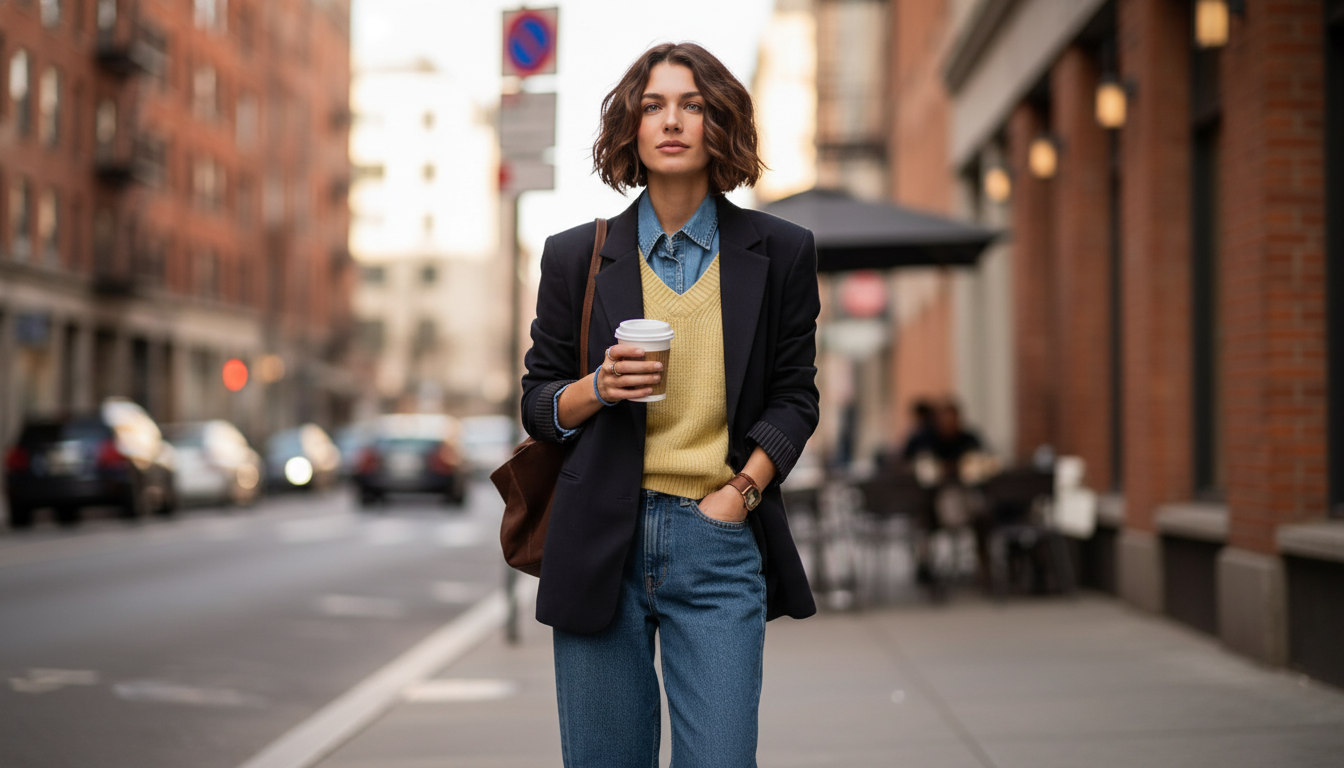
Mastering the Art of Stylish Layering: Smart Outfits, Seasonal Styling, and Easy Layering Methods
Layering is equal parts comfort and style: it keeps outfits practical across changing temperatures while adding depth, shape, and personality. With a few repeatable methods—fabric choice, proportions, and intentional color—layering can look polished instead of bulky. The goal is simple: build a look that moves with your day (commutes, chilly offices, sunny afternoons) while still feeling like you.
What Makes Layering Look Stylish (Not Bulky)
Stylish layering starts with restraint. Instead of piling on thickness, build a clean foundation and add intention—one great outer piece, a clear silhouette, and a focal point that reads “styled” rather than “bundled.”
- Start smooth: choose a base layer that sits close to the body to prevent bunching under knits.
- Pick one hero layer: a blazer, jacket, cardigan, or coat gives structure without stacking multiple heavy pieces.
- Balance proportions: if your top layers are oversized, keep the bottom streamlined—or do the opposite.
- Create a visible frame: show a collar, cuff, or hem on purpose; don’t let layers compete at the neckline and wrists.
- Use one focal point: a color pop, statement coat, or patterned scarf works best when everything else stays calmer.
The Building Blocks: Base, Mid, and Top Layers
Thinking in three parts keeps outfit-building fast and repeatable. Each layer has a job: the base is comfort, the mid is warmth and texture, and the top layer controls the silhouette.
Base layer (foundation)
Tees, tanks, long sleeves, turtlenecks, and bodysuits work best when they feel comfortable and lay flat. A clean neckline makes the rest of your outfit easier to style.
Mid layer (insulation + dimension)
Button-downs, sweaters, sweater vests, and light knits are where outfits get interesting. This is also the layer that can add bulk—so aim for one mid layer with intent instead of two thick ones.
Top layer (structure + mood)
Denim jackets, trenches, wool coats, puffers, and blazers set the tone. A tailored blazer reads polished; a denim jacket reads casual; a trench reads classic and transitional.
Accessories as micro-layers
Belts, scarves, tights, socks, and hats are small changes that make layered outfits feel finished. Footwear helps lock in the silhouette (cropped pants with boots, midi skirts with tall boots, wide-leg trousers with sleek sneakers).
| Layer | Best pieces | Style effect | Common mistake to avoid |
|---|---|---|---|
| Base | Fitted tee, turtleneck, bodysuit | Smooth foundation; clean lines | Loose base that bunches under knits |
| Mid | Button-down, cardigan, sweater vest | Warmth + dimension | Too many thick mids (adds bulk) |
| Top | Blazer, trench, coat, denim jacket | Structure; silhouette control | Top layer fighting the outfit’s vibe |
| Accessories | Belt, scarf, tights, jewelry | Polish; focal points | Over-accessorizing every layer |
3 Reliable Layering Methods (Mix-and-Match Formulas)
When you want an outfit that “just works,” use a formula. These three are reliable across casual, workwear, and travel days.
- Method 1: Slim–Relaxed–Structured: fitted base + relaxed mid + structured top. Example: turtleneck + chunky cardigan + tailored coat.
- Method 2: Collar + Cuff Contrast: button-down under a sweater, showing collar and cuffs. Pair with straight-leg pants to keep the look balanced.
- Method 3: The Longline Anchor: one longer layer (long cardigan, shirt hem, trench) plus shorter pieces to create intentional length and movement.
- Rule of two textures: combine two distinct textures (denim + knit, leather + cotton) to add interest without visual noise.
- Print control: keep prints to one main print and one subtle companion (stripe + solid, plaid + neutral).
Seasonal Styling That Still Feels Like You
Seasonal layering gets easier when you keep your “core style” consistent: stick with a dependable neutral base and rotate 1–2 accents as the weather shifts.
- Spring: lighter layers with movement—trench + tee + straight jeans; add a scarf instead of a heavy knit.
- Summer: breathable layering through light overshirts, linen button-downs, and sleeveless vests; avoid thick stacking.
- Fall: lean into knits and suede—base tee + flannel/overshirt + jacket; boots add visual weight that suits the season.
- Winter: warmth without volume—thermal base + fine-gauge knit + insulated coat; accessories (hat, scarf, gloves) deliver extra heat efficiently.
For fiber and care basics—especially when relying on wool as a warmth layer—The Woolmark Company’s care resources are a helpful reference: https://www.woolmark.com/care/.
Color, Texture, and Proportion: The Fast Way to Look Put Together
For fashion construction and design context, authoritative institutions like the Fashion Institute of Technology can broaden your understanding of silhouette and styling: https://www.fitnyc.edu/.
Common Layering Problems and Quick Fixes
A Practical Guide for Building Smarter Layered Outfits
If you want step-by-step outfit combinations and ready-to-use formulas, explore Mastering the Art of Stylish Layering | Fashion eBook Guide to Smart Outfits, Seasonal Styling & Layering Methods to Look Stylish.
For a fashion-inspired home accent that complements a wardrobe-focused space (closet, dressing area, or studio), consider Elegant Ceramic Dress Form Vase – Abstract Fashion Sculpture Home Decor.
FAQ
How many layers should an outfit have to look stylish?
Most stylish outfits land around 2–4 layers: a base layer, an optional mid layer, and one top layer, plus an accessory if needed. The right number depends on climate and fabric thickness—thin, warm materials can replace an extra bulky layer.
How can layering look flattering without adding bulk?
Use a fitted base, add one structured piece (like a blazer or coat), and favor thinner warm fabrics over multiple thick knits. Stagger hemlines and balance proportions—oversized on top pairs best with streamlined bottoms.
What are easy layering formulas for work outfits?
Try tee + blazer + coat for a clean, modern stack; button-down + sweater + trench for classic polish; or a knit dress + blazer + scarf for an office-friendly look that adapts to temperature changes.
Recommended for you
Heatless Beach Waves for Straight Hair (Easy Steps)
May 27, 2026
How to Use Argan Oil on Hair: 4 Easy Methods
May 27, 2026









Leave a comment