-
Shop
- Adidas
- Advanced Technologies
- AI Skills
- AI Skills Mastery 2026 Collection
- Bathroom
- Best-Sellers
- Calvin Klein
- Car Accessories
- Confidence
- Dating & Social Skills
- Digital Resources
- AI & Technology
- Beauty
- Car Buying & Ownership
- Cozy Feast Collection
- Electronics & Technology
- Financial Education
- Hobbies
- Home Styling & Organization
- Kitchen & Recipes
- Mindset
- Online Business
- Parenting & Child Development
- Personal Style & Fashion
- Pet Lifestyle & Wellness
- Smart Life with AI
- Travel Planning
- Wellness
- Yoga & Fitness
- Education & Learning
- Family & Parenting
- Fashion
- Alexander McQueen
- Bags
- Bags & Wallets
- Balenciaga
- Belts
- Blazers
- Blouses & Shirts
- Bottega Veneta
- Brunello Cucinelli
- Burberry
- Chanel
- Chloé
- Dior
- Dolce & Gabbana
- Dresses
- Etro
- Fendi
- Gucci
- Hats & Hair Accessories
- Jacquemus
- Jewelry
- Jil Sander
- Keychains
- Kiton
- Luggage
- Luggage Bags
- Miu Miu
- Off-White
- Outerwear
- Prada
- Rick Owens
- Saint Laurent
- Scarves
- Shoes
- Socks & Tights
- Sunglasses
- The Row
- Tom Ford
- Valentino
- Valentino Garavani
- Versace
- Vivienne Westwood
- Watches
- Fashion Accessories
- Furniture
- Gadgets
- Health & Beauty
- Health & Wellness
- Home & Garden
- Home Decor
- Home Electronics
- Home Supplies
- Kids & Babies
- Kitchen
- Kitchen Best-Sellers
- Lighting
- Online Business for Beginners
- Patio, Lawn & Garden
- Personal Growth
- Pet Care
- Pet Supplies
- Pets
- Smart Amazon Shopping
- Smart Home Living Guides
- Sport & Outdoors
- Stress Relief & Relaxation
- Super Deals
- TikTok Growth & Monetization Mastery
- Travel
- Travel & Adventure
- Wealth
- Wealth Building
- Budgeting & Saving
- Cryptocurrency Investing
- Debt Management
- Entrepreneurship & Business Growth
- Family Finance & Budgeting
- Financial Independence
- Financial Mindset & Psychology
- Financial Planning
- Frugal Living & Expense Hacks
- Goal Setting
- High-Income Skills
- Investing Basics
- Leadership
- Motivation
- Networking & Mentorship
- Passive Income Strategies
- Real Estate Investing
- Side Hustles
- Stock Market Investing
- Popular
- Best deals
- Blog
New Balance Women’s Sneakers: Fit, Comfort & Styling
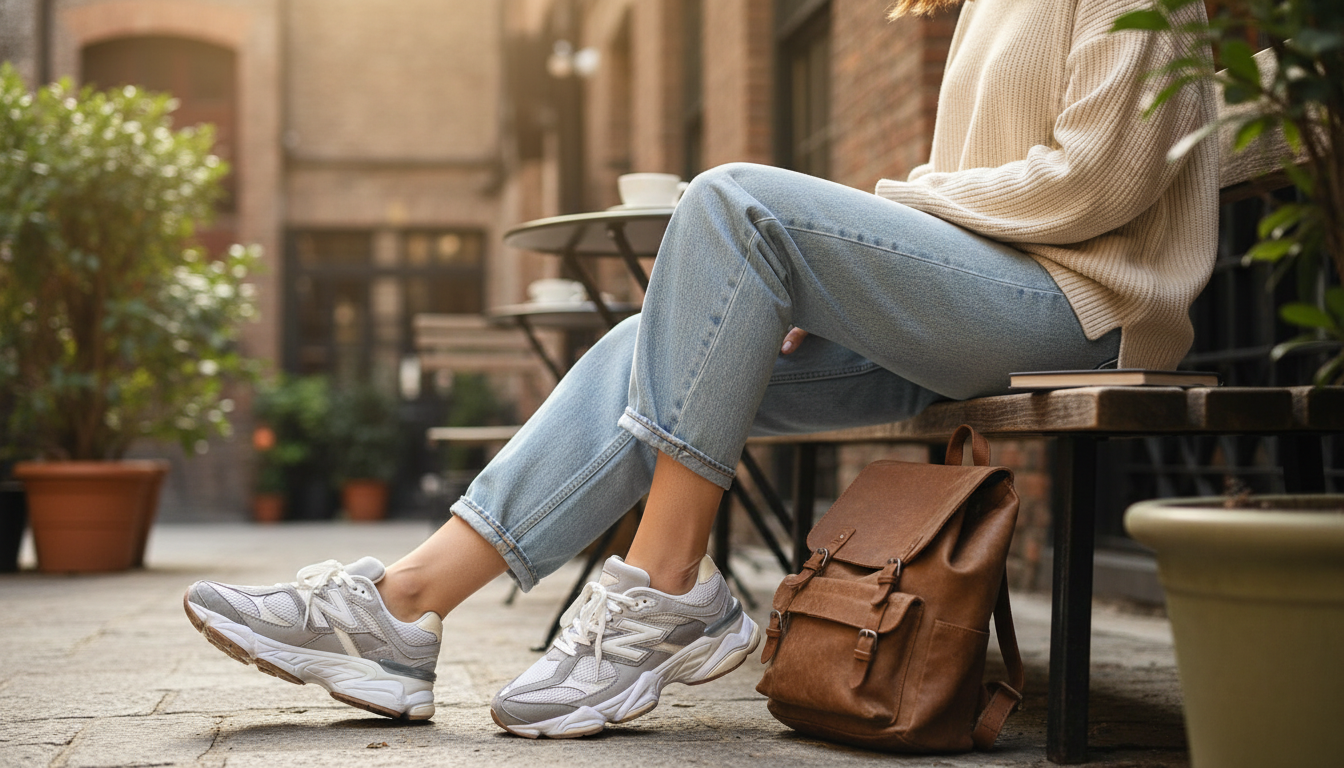
New Balance Women’s Sneakers: Everyday Comfort, Fit, and Styling
New Balance women’s sneakers have a well-earned reputation for feeling “walkable” right out of the box—thanks to cushion-forward midsoles, supportive heel structures, and fit options that work for more foot shapes than a typical one-width lineup. Whether the goal is a reliable everyday pair, a steady walking shoe for long schedules, or a clean lifestyle silhouette that dresses up and down, the fastest way to narrow choices is to focus on fit (especially width), underfoot feel, and outsole traction.
What Makes a Pair Comfortable for All-Day Wear
Comfort isn’t just softness. The best all-day sneaker balances cushioning, stability, and a smooth stride so feet don’t feel “beat up” by late afternoon.
- Cushioning feel: Softer foams can feel plush for errands and casual wear, while firmer setups often feel more stable over long days on hard floors.
- Support and stability: A structured heel counter and a stable midsole platform can reduce fatigue when the day includes lots of standing or walking.
- Upper comfort: Breathable mesh can help with heat and humidity; suede or synthetic overlays add structure but may feel warmer or less forgiving.
- Weight and flexibility: Lighter shoes can feel easier on the feet, and a flexible forefoot can support a more natural stride from heel to toe.
For foot health basics—like why support and proper fit matter—authoritative guidance from organizations such as the American Podiatric Medical Association (APMA) and the American Academy of Orthopaedic Surgeons (AAOS) can be helpful when comparing shoes for daily wear.
Fit First: Sizing, Width, and Foot Shape
A great sneaker in the wrong size becomes the wrong sneaker. Before wearing a new pair outdoors, do a short indoor test on clean floors and pay attention to these fit checkpoints:
- Toe box space: Aim for about a thumb’s width in front of the longest toe, with no pressure along the sides of the forefoot.
- Heel lockdown: The heel should feel secure without rubbing; slipping can often be improved with a runner’s loop (heel-lock) lacing method.
- Width options: New Balance is known for offering multiple widths on many models. If the forefoot feels squeezed or the arch feels “pulled,” a wider width can be the fix without changing length.
- Arch needs: Higher arches often feel better with supportive insoles; flatter arches may prefer stability-focused designs that resist excessive inward rolling.
Quick Fit Checks Before Removing Tags
| Fit area | What to feel for | Common fix |
|---|---|---|
| Toe box | No pinching; toes can wiggle freely | Try a wider width or a roomier upper |
| Midfoot | Snug but not tight across the laces | Adjust lacing; consider different width |
| Heel | Minimal slip when walking | Use runner’s loop; check size down if still loose |
| Underfoot | Even pressure; no hot spots | Swap in an insole; choose a different cushioning level |
Lifestyle vs Walking vs Training: Picking the Right Build
“Sneaker” covers a lot of ground. Knowing the build category helps set expectations for how the shoe will feel after hours on your feet.
- Lifestyle: Often prioritizes heritage styling and casual comfort. Great for commuting, daily outfits, and light walking—especially if the outsole has dependable grip.
- Walking-focused: Typically emphasizes steady cushioning, durable outsoles, and supportive geometry meant for repetitive steps on pavement.
- Training: Built for gym movement with more lateral stability and grippy rubber in key zones. They can be excellent indoors, but aren’t always the most pleasant choice for long, straight-line walks.
- One-pair solution: If a single pair needs to do everything, prioritize fit and outsole traction first, then pick cushioning based on preference (plush vs stable).
Color and Outfit Pairing: Grey Sneakers Done Right
Grey is one of the easiest sneaker colors to wear repeatedly without feeling like you’re repeating the same look. It reads neutral, modern, and slightly sporty—without the harsh contrast of bright white or jet black.
Featured Pick: New Balance Women’s Grey Sneakers
At-a-Glance Details
| Item | Price | Availability | Link |
|---|---|---|---|
| New Balance Women’s Grey Sneakers | 122.62 USD | In stock | View product |
Small Add-Ons for a Better Daily Routine
- Screen-free mornings: A calmer start can make it easier to stick to a quick walk or stretch before the day accelerates. The No-Phone Morning Ritual Checklist is a simple printable that supports a more intentional start.
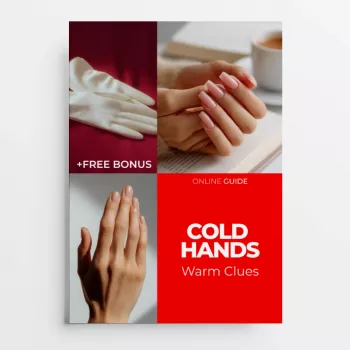
- Cold hands and feet concerns: If you tend to feel chilly during walks or errands, circulation and warmth habits can matter just as much as socks. Cold Hands, Warm Clues is a digital guide focused on circulation and warmth improvement.
Care Tips to Keep Sneakers Looking New
FAQ
Do New Balance women’s sneakers run true to size?
Sizing can vary by model and foot shape, so it’s best to measure your feet and consider width options when available. During an indoor try-on, confirm you have toe room in front and a secure heel with minimal slip.
Are New Balance sneakers good for walking all day?
They can be a strong choice for all-day walking, especially pairs with stable cushioning and supportive construction. Prioritize comfortable underfoot feel, a secure heel fit, and outsole traction for the surfaces you walk on most.
How should grey sneakers be cleaned without damaging them?
Use gentle spot-cleaning with mild soap and cool water, plus a soft brush for mesh areas, and avoid soaking the shoes. Air-dry away from heat, and treat suede more carefully with a suede brush rather than heavy water.













Leave a comment