-
Shop
- Adidas
- Advanced Technologies
- AI Skills
- AI Skills Mastery 2026 Collection
- Bathroom
- Best-Sellers
- Calvin Klein
- Car Accessories
- Confidence
- Dating & Social Skills
- Digital Resources
- AI & Technology
- Beauty
- Car Buying & Ownership
- Cozy Feast Collection
- Electronics & Technology
- Financial Education
- Hobbies
- Home Styling & Organization
- Kitchen & Recipes
- Mindset
- Online Business
- Parenting & Child Development
- Personal Style & Fashion
- Pet Lifestyle & Wellness
- Smart Life with AI
- Travel Planning
- Wellness
- Yoga & Fitness
- Education & Learning
- Family & Parenting
- Fashion
- Alexander McQueen
- Bags
- Bags & Wallets
- Balenciaga
- Belts
- Blazers
- Blouses & Shirts
- Bottega Veneta
- Brunello Cucinelli
- Burberry
- Chanel
- Chloé
- Dior
- Dolce & Gabbana
- Dresses
- Etro
- Fendi
- Gucci
- Hats & Hair Accessories
- Jacquemus
- Jewelry
- Jil Sander
- Keychains
- Kiton
- Luggage
- Luggage Bags
- Miu Miu
- Off-White
- Outerwear
- Prada
- Rick Owens
- Saint Laurent
- Scarves
- Shoes
- Socks & Tights
- Sunglasses
- The Row
- Tom Ford
- Valentino
- Valentino Garavani
- Versace
- Vivienne Westwood
- Watches
- Fashion Accessories
- Furniture
- Gadgets
- Health & Beauty
- Health & Wellness
- Home & Garden
- Home Decor
- Home Electronics
- Home Supplies
- Kids & Babies
- Kitchen
- Kitchen Best-Sellers
- Lighting
- Online Business for Beginners
- Patio, Lawn & Garden
- Personal Growth
- Pet Care
- Pet Supplies
- Pets
- Smart Amazon Shopping
- Smart Home Living Guides
- Sport & Outdoors
- Stress Relief & Relaxation
- Super Deals
- TikTok Growth & Monetization Mastery
- Travel
- Travel & Adventure
- Wealth
- Wealth Building
- Budgeting & Saving
- Cryptocurrency Investing
- Debt Management
- Entrepreneurship & Business Growth
- Family Finance & Budgeting
- Financial Independence
- Financial Mindset & Psychology
- Financial Planning
- Frugal Living & Expense Hacks
- Goal Setting
- High-Income Skills
- Investing Basics
- Leadership
- Motivation
- Networking & Mentorship
- Passive Income Strategies
- Real Estate Investing
- Side Hustles
- Stock Market Investing
- Popular
- Best deals
- Blog
Modern Upholstered Armchair Guide: Fit, Fabric, Feel
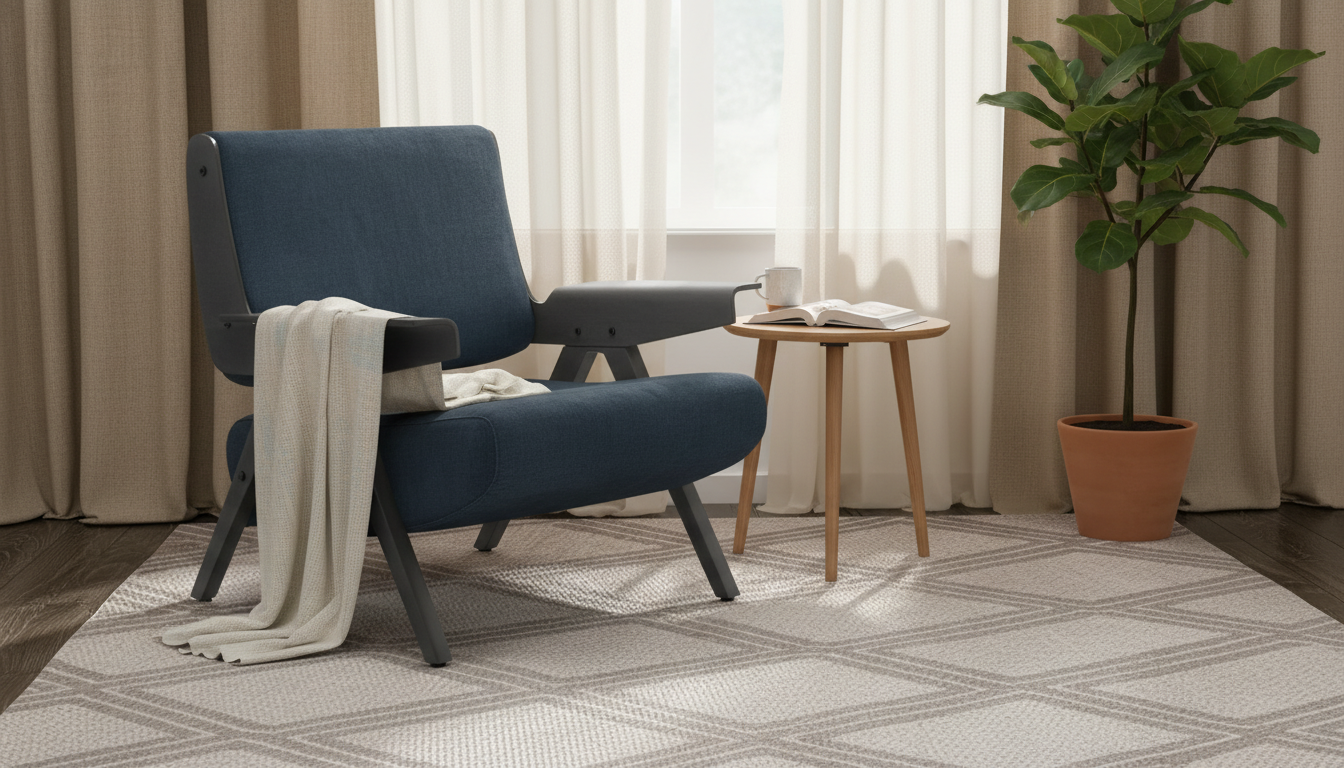
Modern Upholstered Armchair: Comfort, Shape, and Everyday Style
A well-made upholstered armchair can anchor a room, add soft texture, and create a comfortable place to read, work, or unwind. The best choice is less about chasing a trend and more about getting the proportions, cushion feel, and fabric right for daily life—then placing it where it naturally becomes the “grab it first” seat.
What Makes a Modern Upholstered Armchair Feel “Right”
Modern upholstered armchairs tend to look effortless, but the comfort is usually the result of a few practical decisions that work together.
- Support first: A stable frame and balanced seat depth prevent slouching and keep longer sits comfortable—especially if the chair becomes a regular reading or laptop spot.
- Clean lines plus softness: Modern profiles often rely on simple arms, tailored upholstery, and a tidy silhouette so the room feels open while still inviting.
- Everyday practicality: Fabric choice, cushion construction, and arm height affect how the chair performs when you’re actually using it (and cleaning it) every day.
Key Details to Compare Before Buying
Two chairs can look similar online but feel completely different at home. These details are the difference between “nice accent chair” and “favorite seat.”
- Seat height and depth: A good depth supports the thighs without forcing the knees too high or leaving your legs dangling. If you like curling up, a deeper seat can feel more lounge-ready.
- Back height and angle: Higher backs are comfortable for reading and relaxed lounging; lower backs keep sightlines cleaner in smaller rooms and feel lighter visually.
- Arm style and height: Low, sleek arms read modern and airy. Taller arms can boost comfort, give you a perch for an elbow, and make it easier to stand up.
- Cushion feel: Firmer seats keep their shape longer and often look tailored. Plush seats feel cozy and casual but may need more fluffing and care over time.
- Upholstery performance: Consider pets, kids, and sunlight. Darker or textured fabrics tend to hide wear, while smooth weaves can show snags and pet hair more easily.
Quick Comparison Guide
| Feature | Best For | What to Watch |
|---|---|---|
| Deep seat | Lounging, movie nights | May feel awkward for shorter users without a pillow |
| Shallow seat | Conversation areas, compact rooms | Less relaxed for curling up |
| Firm cushion | Frequent daily use | Can feel less “sink-in” at first |
| Plush cushion | Cozy, casual rooms | May compress faster; rotate if possible |
| Textured fabric | Hides lint and minor wear | Can be harder to spot-clean if light colored |
| Smooth weave | Tailored look, easy vacuuming | Shows snags and pet hair more easily |
Sizing and Placement: Making It Work in the Room
Even a beautiful modern upholstered armchair can feel “off” if it’s oversized for the space or placed without enough breathing room. A few quick checks help the chair look intentional.
- Leave clear walkways: Plan enough space for traffic flow around the chair and any ottoman so the layout feels effortless instead of tight.
- Balance with other seating: When pairing with a sofa, keeping seat heights in a similar range makes conversation feel natural and avoids the “one seat is perched, one seat is sunk” effect.
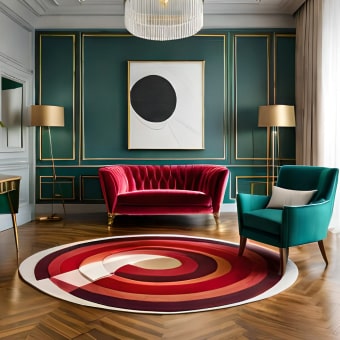
- Use a rug to anchor: Placing the front legs on the rug usually looks finished and helps define a seating zone, especially in open-plan rooms.
- Consider light and outlets: A reading corner works best with a floor lamp and nearby power for charging a phone, tablet, or e-reader.
- Add a small surface: A side table within reach turns an accent chair into an everyday seat (coffee, water, book, remote—handled).
Care and Longevity
- Vacuum regularly: Use an upholstery attachment to remove dust and crumbs that can break down fibers over time.
- Address spills fast: Blot (don’t rub), then follow the fabric’s care guidance; test cleaners on a hidden area first. Upholstery cleaning codes can help you pick the right approach (see the IICRC upholstery cleaning guidance).
- Rotate cushions when possible: If cushions are reversible, switching sides helps even out compression and keeps the seat looking balanced.
- Limit direct sun: Sunlight can fade fabric and dry fibers; shifting the chair a few feet or using window coverings can help.
- Protect floors: Felt pads under the legs prevent scratches and can reduce wobble. For additional maintenance best practices, the AHFA furniture care tips are a helpful reference.
Featured Pick
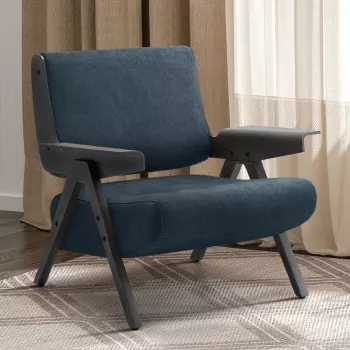
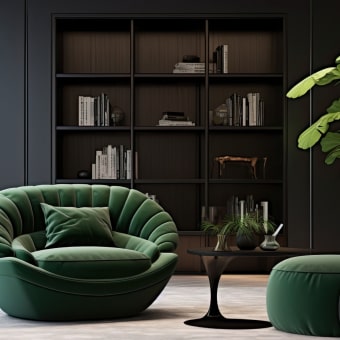
If you’re after a streamlined look that still feels soft and welcoming, the Modern Upholstered Armchai is an easy way to introduce a contemporary focal point in a living room, bedroom, or reading nook. It works well as a single accent chair or as a pair for a symmetrical setup across from a sofa.
At-a-Glance
| Item | Price | Availability |
|---|---|---|
| Modern Upholstered Armchai | $330.17 | In stock |
Styling Ideas That Keep the Look Modern
To add a decorative moment nearby without overwhelming the space, a sculptural accent like the Elegant Ceramic Dress Form Vase – Abstract Fashion Sculpture Home Decor can look especially sharp on a side table or console behind the chair.
FAQ
How do you choose the right seat depth for an upholstered armchair?
Shallower seats tend to feel more upright and conversation-friendly, while deeper seats feel more lounge-ready for reading or curling up. If the depth is slightly too deep, a lumbar pillow can bring your posture forward and make the chair fit better.
What upholstery is easiest to maintain for everyday use?
Performance fabrics and tighter weaves are typically easier to live with day to day, while textured fabrics can help disguise minor wear and lint. Always check the manufacturer’s care code before using water- or solvent-based cleaners.
Can an upholstered armchair work in a small space?
Yes—look for a lighter visual profile, slimmer arms, and a cleaner silhouette that doesn’t crowd the room. Keep walkway clearance in mind and place the chair where it won’t block doors, drawers, or natural traffic paths.
Recommended for you

Build an AI Burnout Awareness Toolkit for Your Team
May 30, 2026










Leave a comment