-
Shop
- Adidas
- Advanced Technologies
- AI Skills
- AI Skills Mastery 2026 Collection
- Bathroom
- Best-Sellers
- Calvin Klein
- Car Accessories
- Confidence
- Dating & Social Skills
- Digital Resources
- AI & Technology
- Beauty
- Car Buying & Ownership
- Cozy Feast Collection
- Electronics & Technology
- Financial Education
- Hobbies
- Home Styling & Organization
- Kitchen & Recipes
- Mindset
- Online Business
- Parenting & Child Development
- Personal Style & Fashion
- Pet Lifestyle & Wellness
- Smart Life with AI
- Travel Planning
- Wellness
- Yoga & Fitness
- Education & Learning
- Family & Parenting
- Fashion
- Alexander McQueen
- Bags
- Bags & Wallets
- Balenciaga
- Belts
- Blazers
- Blouses & Shirts
- Bottega Veneta
- Brunello Cucinelli
- Burberry
- Chanel
- Chloé
- Dior
- Dolce & Gabbana
- Dresses
- Etro
- Fendi
- Gucci
- Hats & Hair Accessories
- Jacquemus
- Jewelry
- Jil Sander
- Keychains
- Kiton
- Luggage
- Luggage Bags
- Miu Miu
- Off-White
- Outerwear
- Prada
- Rick Owens
- Saint Laurent
- Scarves
- Shoes
- Socks & Tights
- Sunglasses
- The Row
- Tom Ford
- Valentino
- Valentino Garavani
- Versace
- Vivienne Westwood
- Watches
- Fashion Accessories
- Furniture
- Gadgets
- Health & Beauty
- Health & Wellness
- Home & Garden
- Home Decor
- Home Electronics
- Home Supplies
- Kids & Babies
- Kitchen
- Kitchen Best-Sellers
- Lighting
- Online Business for Beginners
- Patio, Lawn & Garden
- Personal Growth
- Pet Care
- Pet Supplies
- Pets
- Smart Amazon Shopping
- Smart Home Living Guides
- Sport & Outdoors
- Stress Relief & Relaxation
- Super Deals
- TikTok Growth & Monetization Mastery
- Travel
- Travel & Adventure
- Wealth
- Wealth Building
- Budgeting & Saving
- Cryptocurrency Investing
- Debt Management
- Entrepreneurship & Business Growth
- Family Finance & Budgeting
- Financial Independence
- Financial Mindset & Psychology
- Financial Planning
- Frugal Living & Expense Hacks
- Goal Setting
- High-Income Skills
- Investing Basics
- Leadership
- Motivation
- Networking & Mentorship
- Passive Income Strategies
- Real Estate Investing
- Side Hustles
- Stock Market Investing
- Popular
- Best deals
- Blog
Miscellaneous Expenses: Budget Caps That Actually Work
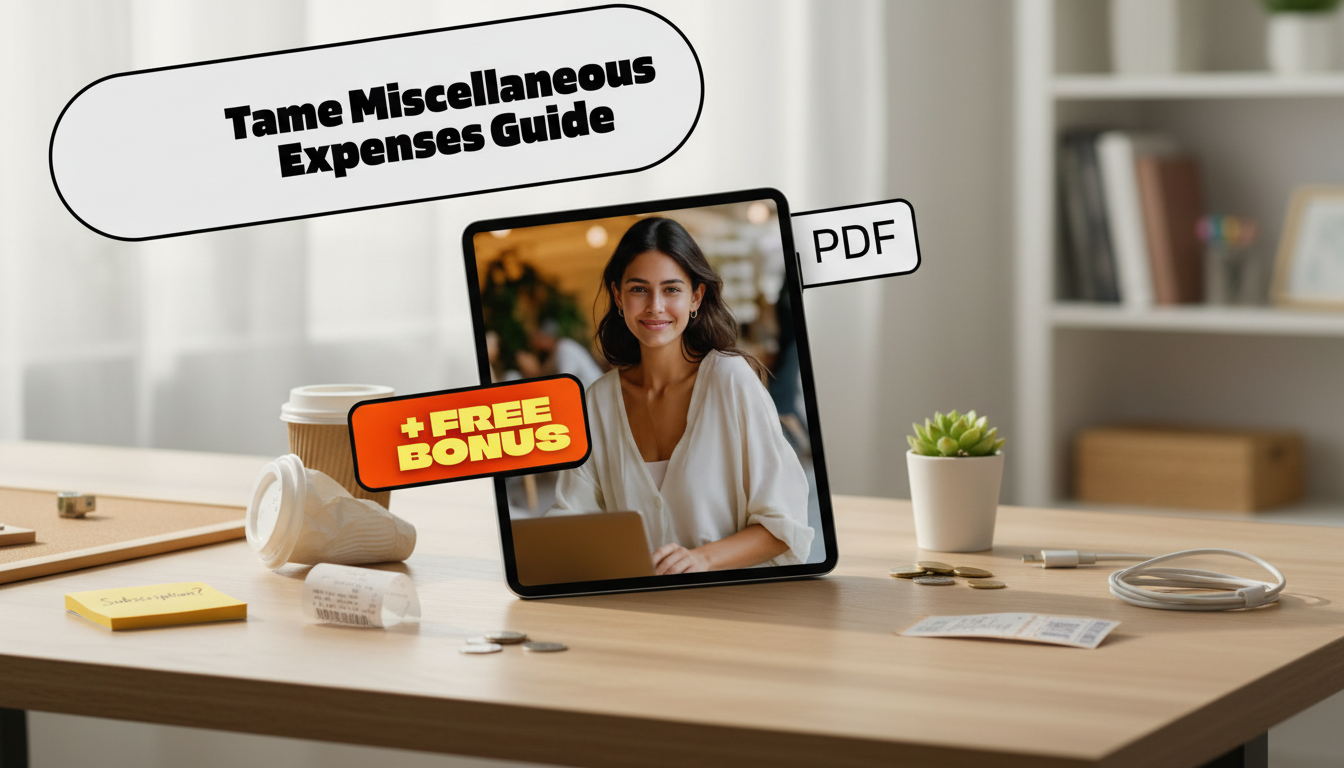
The Sneaky Budget Buster: Planning for “Miscellaneous” Without Losing Control
Small, irregular purchases have a way of slipping past even a solid budget—shipping fees, last-minute school needs, replacement chargers, quick pharmacy runs, gifts, and all the “just this once” moments. A simple plan for miscellaneous spending keeps these costs visible, prevents category blowouts, and protects savings goals without turning daily life into a restriction marathon.
What “Miscellaneous” Actually Means (and what it doesn’t)
“Miscellaneous” should be a real category—not a hiding place. Use it for small, irregular, low-predictability items that don’t fit cleanly elsewhere.
- Use “miscellaneous” for surprises and one-offs, not for recurring obligations.
- Avoid dumping predictable costs into miscellaneous (streaming subscriptions, routine haircuts, regular prescriptions) because it hides true spending patterns.
- When a “miscellaneous” item repeats, promote it into its own category (or add it to an existing one) so the catch-all bucket doesn’t become a black hole.
- Keep a rule-of-thumb: if you can name it ahead of time, it probably isn’t miscellaneous.
Why the category keeps exploding: common triggers that feel invisible
Misc spending often “feels” smaller than it is because it’s made of add-ons, errands, and rushed decisions.
- Friction costs: delivery fees, tips, add-on warranties, rush shipping, parking, and service charges that don’t feel like “the purchase.” (The FTC’s consumer guidance is a useful reminder to watch how fees show up at checkout.)
- Life admin bursts: replacement documents, school forms, small medical copays, batteries, lightbulbs, and household fixes that arrive in clusters.
- Social spending drift: birthdays, baby showers, office collections, last-minute dinners, and small hosting costs.
- Decision fatigue: end-of-day convenience spending that gets labeled “misc” because tracking feels annoying.
How much to budget for miscellaneous: three practical methods
The “right” number is the one that matches real life and prevents debt. Pick one method for 30 days, then refine based on reality instead of perfection.
Method A — Percentage baseline
Start with 3–7% of take-home pay for miscellaneous. Adjust up for complex households (kids, caregiving, older home) and down for simpler routines.
Method B — Lookback average
Review the last 2–3 months of transactions, total the true “misc” items, and use the monthly average as your starting target. The CFPB budgeting resources can help if you need a clean way to organize the review.
Method C — Cap + overflow rule
Set a firm cap and decide ahead of time where overages come from (fun money, dining out, or a short-term buffer). Pre-deciding the “overflow” keeps the overage from becoming debt.
Set up a “miscellaneous system” that stays under control
A controlled system makes miscellaneous spending visible without forcing you to micromanage every receipt.
Sample miscellaneous budget targets (starting points to customize)
| Household situation | Suggested monthly miscellaneous target | How to split it | Notes |
|---|---|---|---|
| Single / minimal commitments | 3–4% of take-home pay | 70% weekly mini-allowance / 30% monthly buffer | Lower variability; focus on fees and convenience spending |
| Couple / shared household | 4–6% of take-home pay | 60% weekly / 40% buffer | More shared purchases and social spending drift |
| Family with kids | 5–8% of take-home pay | 50% weekly / 50% buffer | Expect school, activities, and “surprise” needs |
| Caregiving / medical variability | 6–10% of take-home pay | 40% weekly / 60% buffer | Build extra buffer to avoid debt during high-need months |
Turn miscellaneous spending into clear categories over time
For health-related one-offs, it can help to know what counts as medical spending (and what doesn’t). The IRS reference list in Publication 502 can clarify common medical and dental expenses when you’re deciding whether to create a “Health buffer” category.
Protect the rest of the budget when surprises happen
A simple monthly reset routine (10 minutes)
When a guide helps: templates, prompts, and guardrails
If miscellaneous is the one category that keeps sabotaging progress, a structured guide can make the setup faster and less guessy. The Sneaky Budget Buster: How to Plan for the ‘Miscellaneous’ Without Losing Control (eBook) is designed to define what belongs in misc, set caps that match your household, and turn repeated “misc” spending into stable categories.
And if “misc” spikes come from end-of-day convenience spending (the tired, rushed, “just make it easy” purchases), a small habit reset can reduce the pressure that drives those transactions. The No-Phone Morning Ritual Checklist offers a simple, printable routine that helps many people start the day with less mental clutter—making it easier to follow the spending rules they already chose.
FAQ
What’s a reasonable monthly budget for miscellaneous expenses?
A practical starting point is 3–7% of take-home pay, with higher ranges for households with kids, caregiving, or an older home. If you want a personalized number, total your true misc transactions from the last 2–3 months and use the monthly average as your baseline.
Should groceries or gas ever go in miscellaneous?
Usually no—groceries and gas are predictable essentials and work best as dedicated categories. A truly one-off add-on (like an unexpected convenience store stop during travel) can be temporarily misc, but it’s worth correcting later so your essentials stay accurate.
How do miscellaneous expenses differ from an emergency fund?
Miscellaneous covers small everyday surprises and irregular costs that happen in normal life, while an emergency fund is for major, urgent, high-cost events. Use a misc buffer first, then tap emergency savings only for true emergencies.
Recommended for you



Short-Term Student Goals: Checklist + 7-Day Plan
May 27, 2026













Leave a comment