-
Shop
- Adidas
- Advanced Technologies
- AI Skills
- AI Skills Mastery 2026 Collection
- Bathroom
- Best-Sellers
- Calvin Klein
- Car Accessories
- Confidence
- Dating & Social Skills
- Digital Resources
- AI & Technology
- Beauty
- Car Buying & Ownership
- Cozy Feast Collection
- Electronics & Technology
- Financial Education
- Hobbies
- Home Styling & Organization
- Kitchen & Recipes
- Mindset
- Online Business
- Parenting & Child Development
- Personal Style & Fashion
- Pet Lifestyle & Wellness
- Smart Life with AI
- Travel Planning
- Wellness
- Yoga & Fitness
- Education & Learning
- Family & Parenting
- Fashion
- Alexander McQueen
- Bags
- Bags & Wallets
- Balenciaga
- Belts
- Blazers
- Blouses & Shirts
- Bottega Veneta
- Brunello Cucinelli
- Burberry
- Chanel
- Chloé
- Dior
- Dolce & Gabbana
- Dresses
- Etro
- Fendi
- Gucci
- Hats & Hair Accessories
- Jacquemus
- Jewelry
- Jil Sander
- Keychains
- Kiton
- Luggage
- Luggage Bags
- Miu Miu
- Off-White
- Outerwear
- Prada
- Rick Owens
- Saint Laurent
- Scarves
- Shoes
- Socks & Tights
- Sunglasses
- The Row
- Tom Ford
- Valentino
- Valentino Garavani
- Versace
- Vivienne Westwood
- Watches
- Fashion Accessories
- Furniture
- Gadgets
- Health & Beauty
- Health & Wellness
- Home & Garden
- Home Decor
- Home Electronics
- Home Supplies
- Kids & Babies
- Kitchen
- Kitchen Best-Sellers
- Lighting
- Online Business for Beginners
- Patio, Lawn & Garden
- Personal Growth
- Pet Care
- Pet Supplies
- Pets
- Smart Amazon Shopping
- Smart Home Living Guides
- Sport & Outdoors
- Stress Relief & Relaxation
- Super Deals
- TikTok Growth & Monetization Mastery
- Travel
- Travel & Adventure
- Wealth
- Wealth Building
- Budgeting & Saving
- Cryptocurrency Investing
- Debt Management
- Entrepreneurship & Business Growth
- Family Finance & Budgeting
- Financial Independence
- Financial Mindset & Psychology
- Financial Planning
- Frugal Living & Expense Hacks
- Goal Setting
- High-Income Skills
- Investing Basics
- Leadership
- Motivation
- Networking & Mentorship
- Passive Income Strategies
- Real Estate Investing
- Side Hustles
- Stock Market Investing
- Popular
- Best deals
- Blog
Healthy Hair Routine: Debunking Haircare Myths
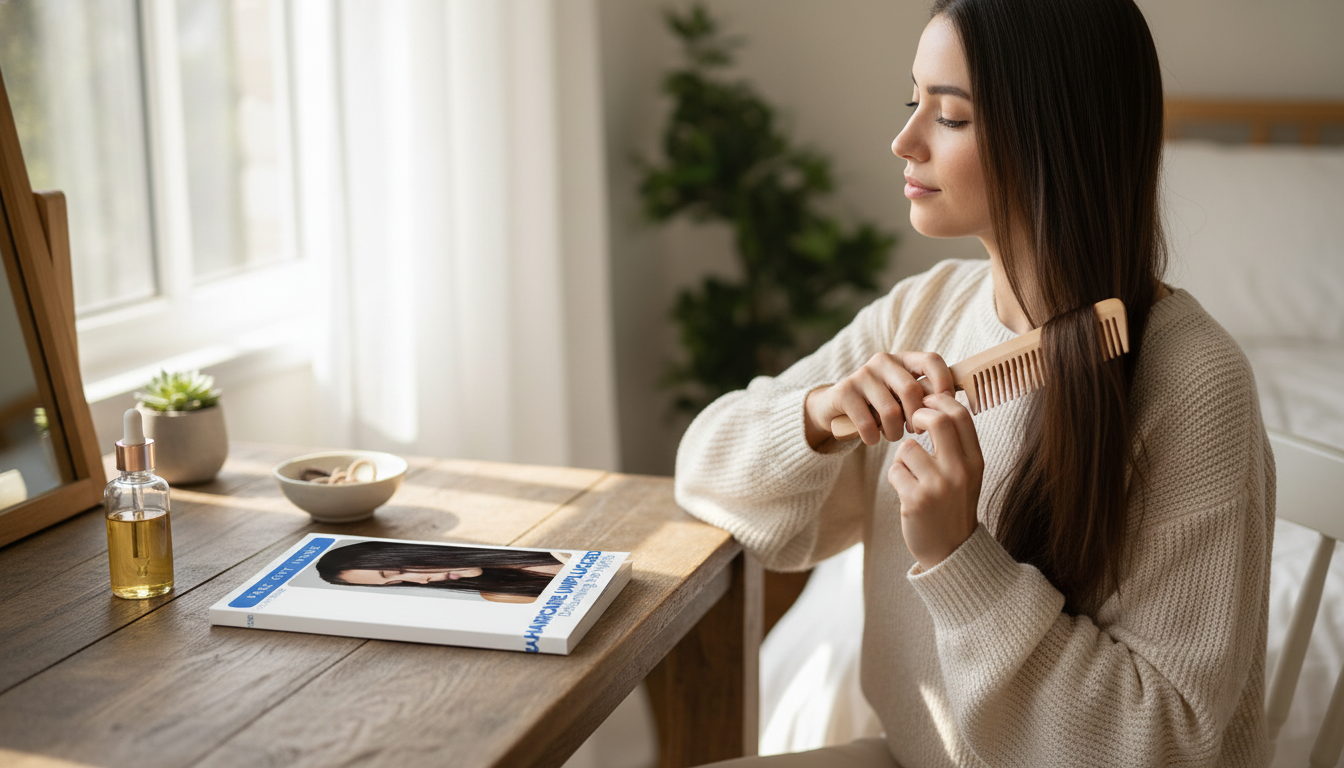
Haircare Unplugged: Debunking the Myths and Building a Routine for Truly Healthy Hair
Healthy hair is less about viral hacks and more about scalp health, gentle handling, and choosing products that match hair type, porosity, and lifestyle. Many “rules” sound convincing—daily trimming for growth, cold-water rinses for shine, brushing 100 strokes—but don’t hold up when compared with how hair and scalp biology actually work. This guide clears up common misconceptions and turns the best evidence-backed practices into a simple routine that supports strength, shine, and comfort from root to end.
How hair actually works: scalp, strand, and damage
Hair growth starts below the surface. The follicle (in the scalp) is living tissue; the hair you can see is a keratin fiber with no ability to regenerate. That difference explains why routines centered on “repair” can be disappointing: you can improve feel and appearance, but you can’t biologically heal a frayed strand.
- Growth happens in the follicle; the visible strand is biologically inactive and can only be protected, not “healed.”
- The scalp is skin: irritation, buildup, and inflammation can affect shedding and how hair behaves day to day.
- Cuticle wear from heat, friction, chemicals, and UV leads to dullness, breakage, tangles, and split ends.
- “Healthy hair” often means: minimal breakage, manageable moisture balance, comfortable scalp, and consistent shedding patterns.
Common concerns and what usually helps
| Concern | What’s often happening | Helpful focus |
|---|---|---|
| Frizz | Raised cuticle, humidity sensitivity, or dryness | Conditioning, gentle drying, humidity-aware styling |
| Greasy roots | High sebum or over-conditioning near scalp | Scalp-focused cleansing, lighter leave-ins |
| Dry ends | Older, more porous lengths with cuticle loss | Conditioner, occasional mask, protective styling |
| Breakage | Mechanical or heat/chemical stress | Lower heat, detangle gently, reduce friction |
| Flakes/itch | Irritation, dryness, or dandruff | Targeted scalp care; consider medicated options if persistent |
Myths that keep routines stuck
Hair myths spread because they’re simple, memorable, and sometimes feel true in the short term. The best routines replace those slogans with repeatable habits that actually reduce damage and keep the scalp comfortable.
A simple routine that fits most hair types
1) Cleanse the scalp (not just the hair)
Wash as often as needed for comfort—daily to weekly can be appropriate depending on oiliness, sweat, and styling product use. If flakes, itching, or persistent irritation show up, scalp-focused care matters more than stretching wash days. For practical basics and dermatologist-backed habits, the American Academy of Dermatology’s hair care guidance is a solid reference point.
2) Condition the lengths every wash
3) Add slip with a leave-in or light serum
4) Dry gently and minimize friction
5) Heat style with intention
6) Protect at night
Ingredients and product types: what to look for (and when to avoid)
- For dryness and roughness: conditioning agents (behentrimonium chloride, cetrimonium chloride), fatty alcohols (cetyl/stearyl alcohol), and humectants (glycerin) can improve softness and manageability.
- For frizz and high porosity: silicones (dimethicone, amodimethicone) can reduce friction and increase shine; clarify occasionally if heavy buildup occurs.
- For dandruff: medicated actives like ketoconazole, zinc pyrithione, selenium sulfide, salicylic acid, or coal tar may help depending on cause and tolerance. If symptoms persist, a clinical overview like the Cleveland Clinic’s dandruff guide can help you understand what’s going on.
- For color-treated hair: prioritize gentle cleansing, UV-protection habits (hats/shade when possible), and lower heat; consider bond-building products if hair is chemically damaged.
- Be cautious with: frequent high-alkaline treatments, excessive protein if hair feels stiff and brittle, and harsh detangling on wet hair without slip.
Troubleshooting: quick adjustments that make a big difference
- If hair feels waxy or coated: add a clarifying wash every 2–4 weeks (or as needed), then condition well.
- If curls feel limp: reduce heavy butters/oils, try lighter leave-ins, and use a periodic protein treatment only if hair is overly stretchy.
- If ends keep splitting: reduce heat, limit tight elastics, detangle in sections, and consider more frequent micro-trims.
- If scalp is itchy: avoid heavy oils on the scalp, rinse thoroughly, and consider a fragrance-free routine; persistent redness, scaling, or hair loss warrants dermatology evaluation.
- If shedding seems sudden: assess stress, illness, diet changes, and medications; consult a clinician if shedding is heavy or lasts beyond a few months. For a medical overview, see NIH MedlinePlus on hair loss.
A practical guide that pulls it all together
If you want a deeper myth-by-myth breakdown plus routine planning, Haircare Unplugged: Debunking the Myths – Your Ultimate Guide to Unlocking Healthy Hair is a step-by-step reference for wash schedules, product selection, and damage-prevention habits.
For anyone trying to reduce stress scrolling (which can indirectly affect sleep and self-care consistency), pair your routine reset with The No-Phone Morning Ritual Checklist to build a calmer start to the day that supports better habits overall.
FAQ
How often should hair be washed for healthy hair?
Wash as often as your scalp needs to feel comfortable and clean—some people do best daily or every other day, while others thrive with weekly washes. Sweat, oil production, and styling-product buildup matter more than “training” your scalp, and dandruff often improves with a medicated shampoo used consistently.
Do split ends repair themselves?
No. The hair fiber can’t biologically repair once it splits; conditioners can temporarily smooth and reduce snagging, but trimming and prevention (less heat, less friction, gentler detangling) are the real fixes.
Are silicones bad for hair?
Silicones aren’t inherently bad—they can reduce friction, improve shine, and make detangling easier. If hair feels heavy or coated, periodic clarifying and choosing lighter formulas can help, and avoiding silicones is also a valid preference if you prefer the feel.














Leave a comment