-
Shop
- Adidas
- Advanced Technologies
- AI Skills
- AI Skills Mastery 2026 Collection
- Bathroom
- Best-Sellers
- Calvin Klein
- Car Accessories
- Confidence
- Dating & Social Skills
- Digital Resources
- AI & Technology
- Beauty
- Car Buying & Ownership
- Cozy Feast Collection
- Electronics & Technology
- Financial Education
- Hobbies
- Home Styling & Organization
- Kitchen & Recipes
- Mindset
- Online Business
- Parenting & Child Development
- Personal Style & Fashion
- Pet Lifestyle & Wellness
- Smart Life with AI
- Travel Planning
- Wellness
- Yoga & Fitness
- Education & Learning
- Family & Parenting
- Fashion
- Alexander McQueen
- Bags
- Bags & Wallets
- Balenciaga
- Belts
- Blazers
- Blouses & Shirts
- Bottega Veneta
- Brunello Cucinelli
- Burberry
- Chanel
- Chloé
- Dior
- Dolce & Gabbana
- Dresses
- Etro
- Fendi
- Gucci
- Hats & Hair Accessories
- Jacquemus
- Jewelry
- Jil Sander
- Keychains
- Kiton
- Luggage
- Luggage Bags
- Miu Miu
- Off-White
- Outerwear
- Prada
- Rick Owens
- Saint Laurent
- Scarves
- Shoes
- Socks & Tights
- Sunglasses
- The Row
- Tom Ford
- Valentino
- Valentino Garavani
- Versace
- Vivienne Westwood
- Watches
- Fashion Accessories
- Furniture
- Gadgets
- Health & Beauty
- Health & Wellness
- Home & Garden
- Home Decor
- Home Electronics
- Home Supplies
- Kids & Babies
- Kitchen
- Kitchen Best-Sellers
- Lighting
- Online Business for Beginners
- Patio, Lawn & Garden
- Personal Growth
- Pet Care
- Pet Supplies
- Pets
- Smart Amazon Shopping
- Smart Home Living Guides
- Sport & Outdoors
- Stress Relief & Relaxation
- Super Deals
- TikTok Growth & Monetization Mastery
- Travel
- Travel & Adventure
- Wealth
- Wealth Building
- Budgeting & Saving
- Cryptocurrency Investing
- Debt Management
- Entrepreneurship & Business Growth
- Family Finance & Budgeting
- Financial Independence
- Financial Mindset & Psychology
- Financial Planning
- Frugal Living & Expense Hacks
- Goal Setting
- High-Income Skills
- Investing Basics
- Leadership
- Motivation
- Networking & Mentorship
- Passive Income Strategies
- Real Estate Investing
- Side Hustles
- Stock Market Investing
- Popular
- Best deals
- Blog
Clear Airtight Herb Keeper: Fresher Herbs in the Fridge
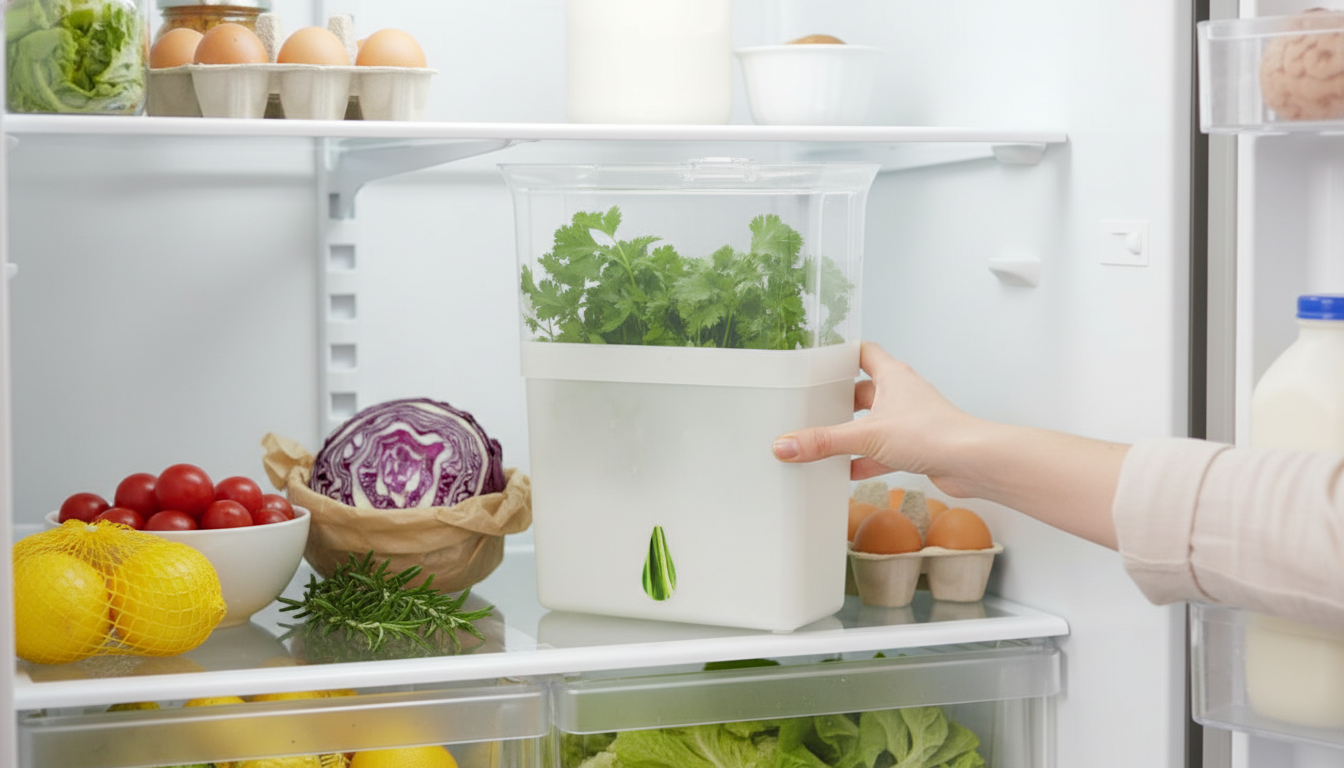
Clear Airtight Herb Keeper: Keep Fresh Herbs Crisp, Visible, and Ready to Use
Fresh herbs can go from vibrant to wilted in just a couple of days when they’re exposed to drying refrigerator air or trapped with too much moisture. A clear airtight herb keeper helps create a more stable storage zone in the fridge while keeping everything easy to spot at a glance. The result is simpler meal prep, fewer forgotten bunches, and less waste—especially when a quick prep routine is paired with the right level of humidity for the herb you’re storing.
What a Clear Airtight Herb Keeper Does (and Why It Helps)
An herb keeper is designed to protect delicate leaves and stems from the two most common fridge problems: dehydration and accidental damage.
- Seals out drying fridge air: A tight closure reduces exposure to circulating air that can pull moisture from tender leaves.
- Limits odor transfer: A sealed container can help keep herbs from picking up “fridge flavors” from nearby foods.
- Keeps contents visible: Clear walls make it easier to find what you already have, which helps prevent duplicates and forgotten produce.
- Prevents crushing: Instead of being buried in a drawer under heavier items, herbs stay protected and more organized.
- Works best with good prep: Even the best container can’t compensate for soaking-wet leaves or water pooling at the bottom.
Best Uses Around the Kitchen
While herbs are the headline, a clear airtight container can earn its fridge space in several ways.
- Soft herbs: cilantro, parsley, dill, mint, basil (note: basil can be sensitive to cold depending on ripeness and your household conditions).
- Hard herbs: rosemary, thyme, sage, oregano.
- Small produce: scallions, asparagus tips, and trimmed celery hearts (when sized appropriately).
- Meal-prep bundles: “taco night” cilantro, pasta parsley, cocktail mint—washed, dried, and ready to grab.
- Short-term pantry items: dried chiles or spice packets (only when fully dry before sealing).
How to Store Herbs for Better Results
Airtight storage is most effective when moisture is controlled—enough to prevent dehydration for tender herbs, but not so much that condensation forms.
1) Sort and refresh first
Remove bruised leaves, slimy stems, or yellowing sprigs before anything goes into the container. One compromised spot can speed up spoilage for the whole bunch in a sealed environment.
2) Rinse only when needed (and dry thoroughly)
If herbs are gritty, rinse them—but dry them extremely well. A salad spinner works great for leafy herbs; otherwise, pat gently with a clean towel. The goal is “dry to the touch,” not “still dripping but it’ll be fine.”
3) Trim ends when storing bunches
For some herbs, a small trim can help them stay perkier, especially if you’re using a barely damp paper towel method. Focus on removing browned ends rather than taking off too much stem length.
4) Add controlled humidity
5) Avoid overcrowding
Quick Care and Cleaning Routine
At-a-Glance Herb Storage Cheat Sheet
| Herb type | Prep before storing | Moisture inside container | Typical fridge placement tip |
|---|---|---|---|
| Tender leafy (cilantro, parsley, dill) | Dry well; remove damaged leaves | Lightly damp paper towel | Middle shelf to reduce temperature swings |
| Very delicate (mint) | Dry well; separate bruised sprigs | Lightly damp paper towel | Keep away from items that crush |
| Hard woody (rosemary, thyme, sage) | Pat dry; keep stems intact | Mostly dry (optional dry towel) | Any shelf; avoid wet produce areas |
| Basil (often sensitive to cold) | Keep dry; avoid bruising | Dry or barely damp towel | Consider cool counter if it blackens in fridge |
Clear Airtight Herb Keeper Product Option
If the goal is to keep herbs visible, protected, and less exposed to drying air, a dedicated clear container makes day-to-day cooking easier. The Clear Airtight Herb Keeper is a simple option for organizing herbs and small greens so they don’t get crushed in a drawer. For best results, pair it with good drying and a quick midweek check to remove any leaves that are starting to fade.
Some kitchens also keep “counter herbs” when cold storage causes blackening (commonly basil). If you like a tidy countertop setup for a small herb bundle, a decorative vessel such as the Elegant Ceramic Dress Form Vase can be a handy way to keep basil stems upright (with minimal water) while keeping the leaves unbruised.
To make the routine easier to stick with—especially the weekly wipe-and-dry—some shoppers use a simple reminder sheet like The No-Phone Morning Ritual Checklist as a printable habit tracker for small home resets (fridge checks included).
Common Mistakes That Shorten Herb Life
Helpful Storage References
For broader food storage guidance and safe refrigeration practices, these references are useful starting points: USDA FoodKeeper App, Foodsafety.gov cold food storage charts, and University of Minnesota Extension produce storage principles.
FAQ
How long do herbs stay fresh in an airtight herb keeper?
Tender herbs often keep around 5–10 days when they’re dried well and stored with a lightly damp towel, while woody herbs can last 1–3 weeks when kept mostly dry. Check every few days and remove any leaves that are starting to soften or discolor.
Should herbs be stored completely dry in an airtight container?
It depends on the herb: woody herbs typically do best stored dry, while tender leafy herbs often last longer with a slightly damp paper towel to prevent dehydration. Avoid visible droplets, pooling water, or a towel that feels wet.
Why is there condensation inside the container?
Condensation usually means there’s too much moisture on the herbs or the towel, the herbs went into the fridge while still warm, or the container is experiencing temperature swings. Dry the herbs more thoroughly, replace the towel with a barely damp one, and briefly vent the container before resealing.
Recommended for you


Soft Trapeze Mini Bag Size Guide: Dimensions & Fit
May 28, 2026













Leave a comment