-
Shop
- Adidas
- Advanced Technologies
- AI Skills
- AI Skills Mastery 2026 Collection
- Bathroom
- Best-Sellers
- Calvin Klein
- Car Accessories
- Confidence
- Dating & Social Skills
- Digital Resources
- AI & Technology
- Beauty
- Car Buying & Ownership
- Cozy Feast Collection
- Electronics & Technology
- Financial Education
- Hobbies
- Home Styling & Organization
- Kitchen & Recipes
- Mindset
- Online Business
- Parenting & Child Development
- Personal Style & Fashion
- Pet Lifestyle & Wellness
- Smart Life with AI
- Travel Planning
- Wellness
- Yoga & Fitness
- Education & Learning
- Family & Parenting
- Fashion
- Alexander McQueen
- Bags
- Bags & Wallets
- Balenciaga
- Belts
- Blazers
- Blouses & Shirts
- Bottega Veneta
- Brunello Cucinelli
- Burberry
- Chanel
- Chloé
- Dior
- Dolce & Gabbana
- Dresses
- Etro
- Fendi
- Gucci
- Hats & Hair Accessories
- Jacquemus
- Jewelry
- Jil Sander
- Keychains
- Kiton
- Luggage
- Luggage Bags
- Miu Miu
- Off-White
- Outerwear
- Prada
- Rick Owens
- Saint Laurent
- Scarves
- Shoes
- Socks & Tights
- Sunglasses
- The Row
- Tom Ford
- Valentino
- Valentino Garavani
- Versace
- Vivienne Westwood
- Watches
- Fashion Accessories
- Furniture
- Gadgets
- Health & Beauty
- Health & Wellness
- Home & Garden
- Home Decor
- Home Electronics
- Home Supplies
- Kids & Babies
- Kitchen
- Kitchen Best-Sellers
- Lighting
- Online Business for Beginners
- Patio, Lawn & Garden
- Personal Growth
- Pet Care
- Pet Supplies
- Pets
- Smart Amazon Shopping
- Smart Home Living Guides
- Sport & Outdoors
- Stress Relief & Relaxation
- Super Deals
- TikTok Growth & Monetization Mastery
- Travel
- Travel & Adventure
- Wealth
- Wealth Building
- Budgeting & Saving
- Cryptocurrency Investing
- Debt Management
- Entrepreneurship & Business Growth
- Family Finance & Budgeting
- Financial Independence
- Financial Mindset & Psychology
- Financial Planning
- Frugal Living & Expense Hacks
- Goal Setting
- High-Income Skills
- Investing Basics
- Leadership
- Motivation
- Networking & Mentorship
- Passive Income Strategies
- Real Estate Investing
- Side Hustles
- Stock Market Investing
- Popular
- Best deals
- Blog
Pet Effect Paradox: Why Pets Help, Yet Studies Vary

What is the pet effect paradox?
The pet effect paradox describes a puzzling mismatch between what many pet owners report and what research sometimes finds. On one hand, people often say their pets reduce stress, ease loneliness, and make everyday life feel more manageable. On the other hand, scientific studies don’t always show consistent, across-the-board health or mental health benefits for all pet owners.
Why is it called a “paradox”?
It’s a paradox because both things can be true at the same time: pets can feel profoundly supportive, yet the measurable effects can be mixed. A dog might make someone feel calmer during a tough week, but that benefit may not show up clearly in a short study window, or it may be offset by added responsibilities like vet bills, time demands, disrupted sleep, or grief when a pet is sick.
What causes the pet effect paradox?
Several factors can blur the picture. People’s situations vary widely—living alone versus with family, having chronic stress versus a stable routine, or owning an energetic puppy versus a low-maintenance older cat. The quality of the human–animal bond matters, too: a pet that fits a person’s lifestyle can be comforting, while a mismatch can create more stress.
Research methods also differ. Some studies rely on self-reported wellbeing (how someone feels), while others measure outcomes like blood pressure, depression scores, or doctor visits. Benefits may be strongest in specific moments—like after a stressful call or during a lonely evening—making them hard to capture with broad averages.
What does the paradox mean for pet owners?
The takeaway isn’t that pets “don’t help.” It’s that pet-related benefits are often personal and context-dependent. Many people experience meaningful day-to-day boosts from routines like walking a dog, cuddling, or simply having a steady presence at home—while also dealing with real responsibilities.
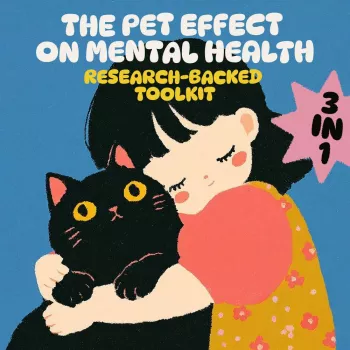
For research-backed ways to build supportive daily habits (including how pets can fit into a mental wellness routine), visit this guide on the pet effect and daily mental health habits.
FAQ
How can I maximize the mental health benefits of having a pet?
Lean into predictable, low-pressure routines: regular walks, short play sessions, and calm bonding time. Keeping care tasks organized (feeding, appointments, training) can also reduce stress and make the relationship feel more supportive.
Recommended for you


Layer a Quilted Down Vest for Warmth Without Bulk
Jun 11, 2026













Leave a comment