-
Shop
- Adidas
- Advanced Technologies
- AI Skills
- AI Skills Mastery 2026 Collection
- Bathroom
- Best-Sellers
- Calvin Klein
- Car Accessories
- Confidence
- Dating & Social Skills
- Digital Resources
- AI & Technology
- Beauty
- Car Buying & Ownership
- Cozy Feast Collection
- Electronics & Technology
- Financial Education
- Hobbies
- Home Styling & Organization
- Kitchen & Recipes
- Mindset
- Online Business
- Parenting & Child Development
- Personal Style & Fashion
- Pet Lifestyle & Wellness
- Smart Life with AI
- Travel Planning
- Wellness
- Yoga & Fitness
- Education & Learning
- Family & Parenting
- Fashion
- Alexander McQueen
- Bags
- Bags & Wallets
- Balenciaga
- Belts
- Blazers
- Blouses & Shirts
- Bottega Veneta
- Brunello Cucinelli
- Burberry
- Chanel
- Chloé
- Dior
- Dolce & Gabbana
- Dresses
- Etro
- Fendi
- Gucci
- Hats & Hair Accessories
- Jacquemus
- Jewelry
- Jil Sander
- Keychains
- Kiton
- Luggage
- Luggage Bags
- Miu Miu
- Off-White
- Outerwear
- Prada
- Rick Owens
- Saint Laurent
- Scarves
- Shoes
- Socks & Tights
- Sunglasses
- The Row
- Tom Ford
- Valentino
- Valentino Garavani
- Versace
- Vivienne Westwood
- Watches
- Fashion Accessories
- Furniture
- Gadgets
- Health & Beauty
- Health & Wellness
- Home & Garden
- Home Decor
- Home Electronics
- Home Supplies
- Kids & Babies
- Kitchen
- Kitchen Best-Sellers
- Lighting
- Online Business for Beginners
- Patio, Lawn & Garden
- Personal Growth
- Pet Care
- Pet Supplies
- Pets
- Smart Amazon Shopping
- Smart Home Living Guides
- Sport & Outdoors
- Stress Relief & Relaxation
- Super Deals
- TikTok Growth & Monetization Mastery
- Travel
- Travel & Adventure
- Wealth
- Wealth Building
- Budgeting & Saving
- Cryptocurrency Investing
- Debt Management
- Entrepreneurship & Business Growth
- Family Finance & Budgeting
- Financial Independence
- Financial Mindset & Psychology
- Financial Planning
- Frugal Living & Expense Hacks
- Goal Setting
- High-Income Skills
- Investing Basics
- Leadership
- Motivation
- Networking & Mentorship
- Passive Income Strategies
- Real Estate Investing
- Side Hustles
- Stock Market Investing
- Popular
- Best deals
- Blog
Facial Cleansing Brushes: When Dermatologists Say Yes
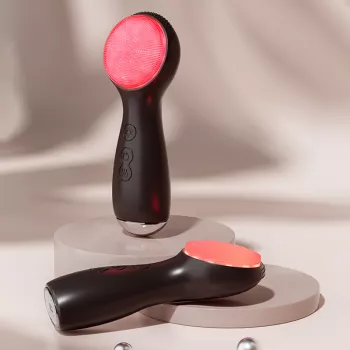
Do dermatologists recommend facial cleansing brushes?
Dermatologists may recommend facial cleansing brushes in select situations, but they’re not a universal must-have. Many skin experts prioritize gentle cleansing with hands because it’s easier to control pressure and reduce irritation. That said, a well-designed brush can help lift sunscreen, makeup, and debris more effectively than fingertips for some people—especially when used sparingly and with the right cleanser.
When a cleansing brush can be a good idea
Facial cleansing brushes can be helpful if skin tolerates light physical exfoliation and there’s a need for a deeper clean after heavy products. Some people notice smoother texture and fewer clogged pores when they use a soft, non-abrasive brush head and avoid over-scrubbing. They can also be useful for those who struggle to fully remove long-wear makeup or water-resistant sunscreen with a single gentle cleanse.
Why dermatologists sometimes advise caution
The biggest concern is overuse. Bristles or rotating/vibrating action can disrupt the skin barrier when used too often, too aggressively, or with harsh cleansers. This may lead to redness, stinging, dryness, or flaking—especially in sensitive, rosacea-prone, eczema-prone, or acne-inflamed skin. Dirty brush heads can also reintroduce bacteria and residue, so cleaning and replacing heads on schedule matters.
How to use one more safely
If a dermatologist suggests (or approves) a cleansing brush, keep it gentle: choose soft bristles or a silicone brush, use a mild cleanser, and apply minimal pressure. Limit use to a few times per week at most to start, and stop if irritation appears. Always rinse the brush thoroughly, let it dry fully, and avoid sharing it.
Learn more details
For a deeper breakdown of benefits, downsides, and best practices, visit Do dermatologists recommend facial cleansing brushes?.
FAQ
Can facial cleansing brushes worsen acne?
They can if they irritate inflamed breakouts, spread bacteria from an unclean brush head, or encourage over-exfoliation. If acne is tender or cystic, hands and a gentle cleanser are often the safer choice.
Recommended for you



Free AI Budgeting: Make a Monthly Plan Fast
Jun 8, 2026













Leave a comment