-
Shop
- Adidas
- Advanced Technologies
- AI Skills
- AI Skills Mastery 2026 Collection
- Bathroom
- Best-Sellers
- Calvin Klein
- Car Accessories
- Confidence
- Dating & Social Skills
- Digital Resources
- AI & Technology
- Beauty
- Car Buying & Ownership
- Cozy Feast Collection
- Electronics & Technology
- Financial Education
- Hobbies
- Home Styling & Organization
- Kitchen & Recipes
- Mindset
- Online Business
- Parenting & Child Development
- Personal Style & Fashion
- Pet Lifestyle & Wellness
- Smart Life with AI
- Travel Planning
- Wellness
- Yoga & Fitness
- Education & Learning
- Family & Parenting
- Fashion
- Alexander McQueen
- Bags
- Bags & Wallets
- Balenciaga
- Belts
- Blazers
- Blouses & Shirts
- Bottega Veneta
- Brunello Cucinelli
- Burberry
- Chanel
- Chloé
- Dior
- Dolce & Gabbana
- Dresses
- Etro
- Fendi
- Gucci
- Hats & Hair Accessories
- Jacquemus
- Jewelry
- Jil Sander
- Keychains
- Kiton
- Luggage
- Luggage Bags
- Miu Miu
- Off-White
- Outerwear
- Prada
- Rick Owens
- Saint Laurent
- Scarves
- Shoes
- Socks & Tights
- Sunglasses
- The Row
- Tom Ford
- Valentino
- Valentino Garavani
- Versace
- Vivienne Westwood
- Watches
- Fashion Accessories
- Furniture
- Gadgets
- Health & Beauty
- Health & Wellness
- Home & Garden
- Home Decor
- Home Electronics
- Home Supplies
- Kids & Babies
- Kitchen
- Kitchen Best-Sellers
- Lighting
- Online Business for Beginners
- Patio, Lawn & Garden
- Personal Growth
- Pet Care
- Pet Supplies
- Pets
- Smart Amazon Shopping
- Smart Home Living Guides
- Sport & Outdoors
- Stress Relief & Relaxation
- Super Deals
- TikTok Growth & Monetization Mastery
- Travel
- Travel & Adventure
- Wealth
- Wealth Building
- Budgeting & Saving
- Cryptocurrency Investing
- Debt Management
- Entrepreneurship & Business Growth
- Family Finance & Budgeting
- Financial Independence
- Financial Mindset & Psychology
- Financial Planning
- Frugal Living & Expense Hacks
- Goal Setting
- High-Income Skills
- Investing Basics
- Leadership
- Motivation
- Networking & Mentorship
- Passive Income Strategies
- Real Estate Investing
- Side Hustles
- Stock Market Investing
- Popular
- Best deals
- Blog
Best Cat Tree for Indoor Cats: Height, Stability & Tips
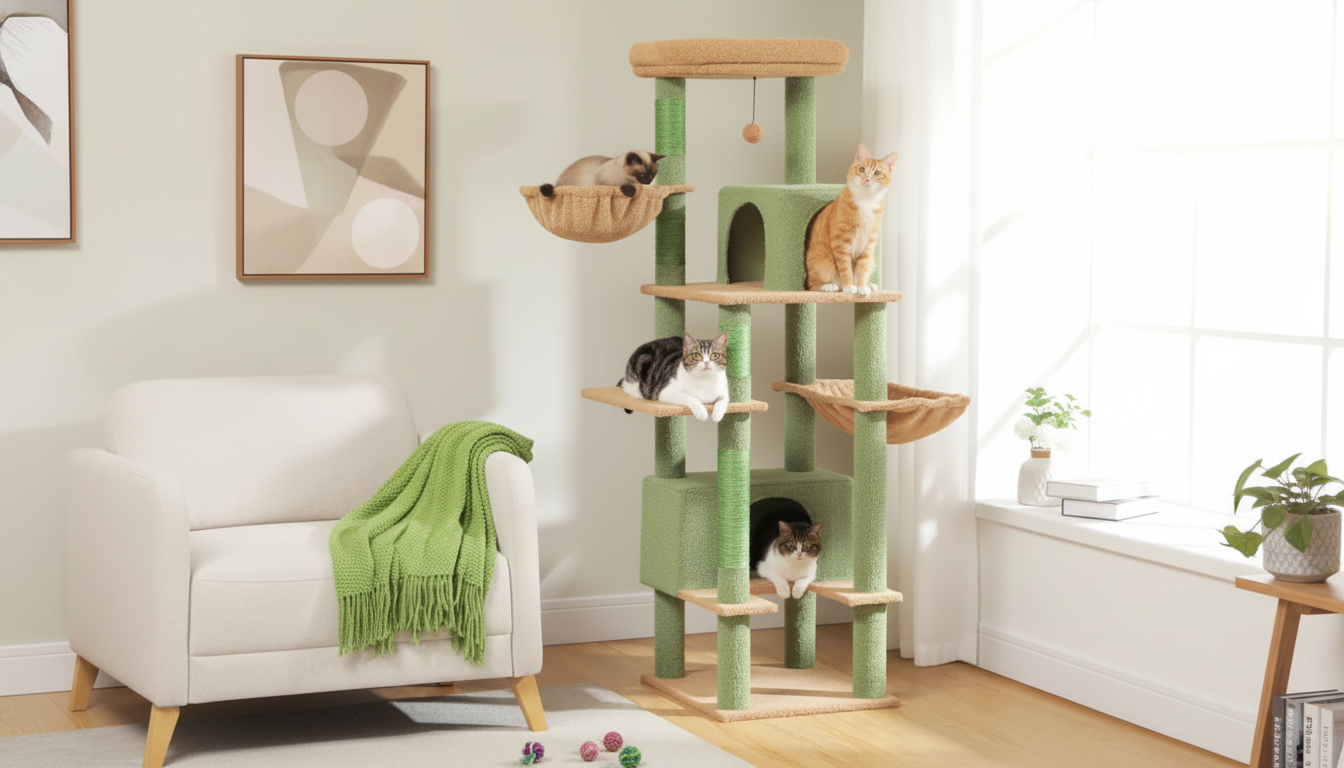
Cat Trees for Indoor Cats: Comfort, Climbing, and Scratching in One Spot
Indoor cats thrive when their home includes vertical space, dedicated scratching surfaces, and cozy places to nap. A well-chosen cat tree can reduce boredom, protect furniture, and give cats a predictable “home base” for play and rest—especially in apartments or shared spaces. Beyond convenience, it’s a simple way to support natural feline behaviors like climbing, perching, and scratching without turning your sofa into the main attraction.
What a Cat Tree Adds to an Indoor Home
A cat tree isn’t just “extra furniture.” It’s a multi-purpose zone that can make an indoor environment feel bigger, calmer, and more interesting.
- Vertical territory that helps cats feel secure, especially in busy households
- A predictable scratching outlet that supports nail health and stress relief
- Perches near windows to encourage calm observation and daily stimulation
- Resting spots that can reduce conflicts by giving cats separate zones
- A play hub that can be enriched with toys, tunnels, or dangling teasers
For more on building a richer indoor environment, reputable enrichment guidance from International Cat Care and foundational care resources from the ASPCA are helpful references.
Key Features That Matter Most
Cat trees can look similar online, but small construction details often determine whether cats use them daily—or ignore them entirely.
- Stability first: a wide base, sturdy posts, and secure connections reduce tipping during jumps
- Scratch coverage: multiple posts and surfaces encourage use across different heights
- Perch sizing: platforms should fit the cat’s body length so lounging feels safe
- Hideaways: condos or cubbies provide privacy for shy cats and nap time
- Material choices: carpet-like fabric feels soft for lounging; sisal is typically preferred for scratching durability
- Cleaning practicality: removable cushions or wipeable surfaces make upkeep easier
- Assembly and longevity: reinforced hardware and clear instructions reduce wobble over time
Quick Comparison: Matching a Cat Tree to Common Indoor Needs
| Indoor need | What to look for | Helpful add-ons |
|---|---|---|
| High-energy climber | Multiple levels, tall posts, stable base | Dangling toy, ramp or steps for launch points |
| Furniture scratching | Thick sisal-wrapped posts at entry level | Catnip spray, scratcher placement near problem areas |
| Shy or easily startled cat | Enclosed condo, covered nook, mid-height perch | Blanket, quiet corner placement |
| Multi-cat home | Two+ perches and separate zones on different levels | Duplicate scratch posts, extra bed nearby |
| Small apartment | Vertical footprint with compact base, wall-adjacent placement | Window access, lightweight vacuum-friendly fabric |
Placement Tips That Make Cats Actually Use It
Even a great tree can flop if it’s placed where cats don’t want to be. Location turns a “nice-to-have” into the most used spot in the home.
- Put it where life happens: near a window or in a room where people spend time—cats often like to perch where activity is easy to monitor.
- Catch natural scratching moments: keep at least one scratching post close to a common path (near a sleeping area or favorite doorway).
- Avoid the “storage room trap”: isolating the tree in a rarely used room often makes it invisible to the cat.
- Use walls to your advantage: if possible, anchor tall trees against a wall or in a corner for extra stability.
- Make it inviting on day one: add a familiar blanket, sprinkle catnip, or place a treat on a mid-level platform.
Choosing Height and Layout by Cat Type
The “best” cat tree depends less on trends and more on how a specific cat moves, rests, and feels safe.
- Kittens: prioritize lower steps, soft landing zones, and closely spaced platforms for safer climbing practice.
- Adult cats: a mix of lounging and active areas works well—often one high perch plus mid-level resting spots.
- Senior cats: choose easier access (ramps/steps), wider platforms, and lower overall height to reduce joint strain.
- Large breeds: look for wider beds, thicker posts, and heavier bases to prevent wobble.
- Multi-cat households: aim for “routes” (up/down paths) so cats can pass without crowding and minimize bottlenecks.
If your cat has mobility concerns or you’re unsure what’s appropriate, general pet-care education from the American Animal Hospital Association (AAHA) can support safer decision-making at home.
A Solid Option for Indoor Climbing and Lounging
When the goal is one central “cat zone” that handles play, perching, scratching, and naps, a larger, multi-level design can be an easy win—especially if it reduces competition for favorite spots.
- Large footprints and multiple levels can support both play and downtime in one central spot.
- A larger tree can reduce competition for favorite perches in homes with more than one cat.
- When evaluating any model, confirm the base size, post thickness, and platform dimensions match your cat’s size and activity level.
If you want a ready-to-go centerpiece, consider the Large Cat Tree for Indoor Cats (in stock) for a single setup that covers scratching, climbing, and resting.
Also In Stock
- Elegant Ceramic Dress Form Vase – Abstract Fashion Sculpture Home Decor (a stylish way to refresh a shelf or console near your cat’s favorite hangout)
- The No-Phone Morning Ritual Checklist: Reset Your Mind Before You Scroll (a simple printable routine for calmer mornings while your cat settles into their perch)
Care, Safety, and Keeping It Fresh
FAQ
What cat tree do cats like the most?
Cats tend to like sturdy trees with at least one elevated perch, a cozy resting spot, and multiple scratching surfaces. The best match also fits the cat’s size and is placed where the cat already enjoys spending time, such as near a window or in a social room.
Do cats prefer carpet or sisal cat trees?
Many cats prefer sisal for scratching because it’s rough and durable, while carpet-like fabrics are often more comfortable for lounging. A mixed-material tree—sisal on posts with softer platforms and beds—often satisfies both needs.
Recommended for you


Cold Hands & Feet: Causes, Raynaud’s Signs, Fixes
May 21, 2026











Leave a comment