-
Shop
- Adidas
- Advanced Technologies
- AI Skills
- AI Skills Mastery 2026 Collection
- Bathroom
- Best-Sellers
- Calvin Klein
- Car Accessories
- Confidence
- Dating & Social Skills
- Digital Resources
- AI & Technology
- Beauty
- Car Buying & Ownership
- Cozy Feast Collection
- Electronics & Technology
- Financial Education
- Hobbies
- Home Styling & Organization
- Kitchen & Recipes
- Mindset
- Online Business
- Parenting & Child Development
- Personal Style & Fashion
- Pet Lifestyle & Wellness
- Smart Life with AI
- Travel Planning
- Wellness
- Yoga & Fitness
- Education & Learning
- Family & Parenting
- Fashion
- Alexander McQueen
- Bags
- Bags & Wallets
- Balenciaga
- Belts
- Blazers
- Blouses & Shirts
- Bottega Veneta
- Brunello Cucinelli
- Burberry
- Chanel
- Chloé
- Dior
- Dolce & Gabbana
- Dresses
- Etro
- Fendi
- Gucci
- Hats & Hair Accessories
- Jacquemus
- Jewelry
- Jil Sander
- Keychains
- Kiton
- Luggage
- Luggage Bags
- Miu Miu
- Off-White
- Outerwear
- Prada
- Rick Owens
- Saint Laurent
- Scarves
- Shoes
- Socks & Tights
- Sunglasses
- The Row
- Tom Ford
- Valentino
- Valentino Garavani
- Versace
- Vivienne Westwood
- Watches
- Fashion Accessories
- Furniture
- Gadgets
- Health & Beauty
- Health & Wellness
- Home & Garden
- Home Decor
- Home Electronics
- Home Supplies
- Kids & Babies
- Kitchen
- Kitchen Best-Sellers
- Lighting
- Online Business for Beginners
- Patio, Lawn & Garden
- Personal Growth
- Pet Care
- Pet Supplies
- Pets
- Smart Amazon Shopping
- Smart Home Living Guides
- Sport & Outdoors
- Stress Relief & Relaxation
- Super Deals
- TikTok Growth & Monetization Mastery
- Travel
- Travel & Adventure
- Wealth
- Wealth Building
- Budgeting & Saving
- Cryptocurrency Investing
- Debt Management
- Entrepreneurship & Business Growth
- Family Finance & Budgeting
- Financial Independence
- Financial Mindset & Psychology
- Financial Planning
- Frugal Living & Expense Hacks
- Goal Setting
- High-Income Skills
- Investing Basics
- Leadership
- Motivation
- Networking & Mentorship
- Passive Income Strategies
- Real Estate Investing
- Side Hustles
- Stock Market Investing
- Popular
- Best deals
- Blog
Real vs Faux Leather Cowhide Saddle Bag: Easy Checks
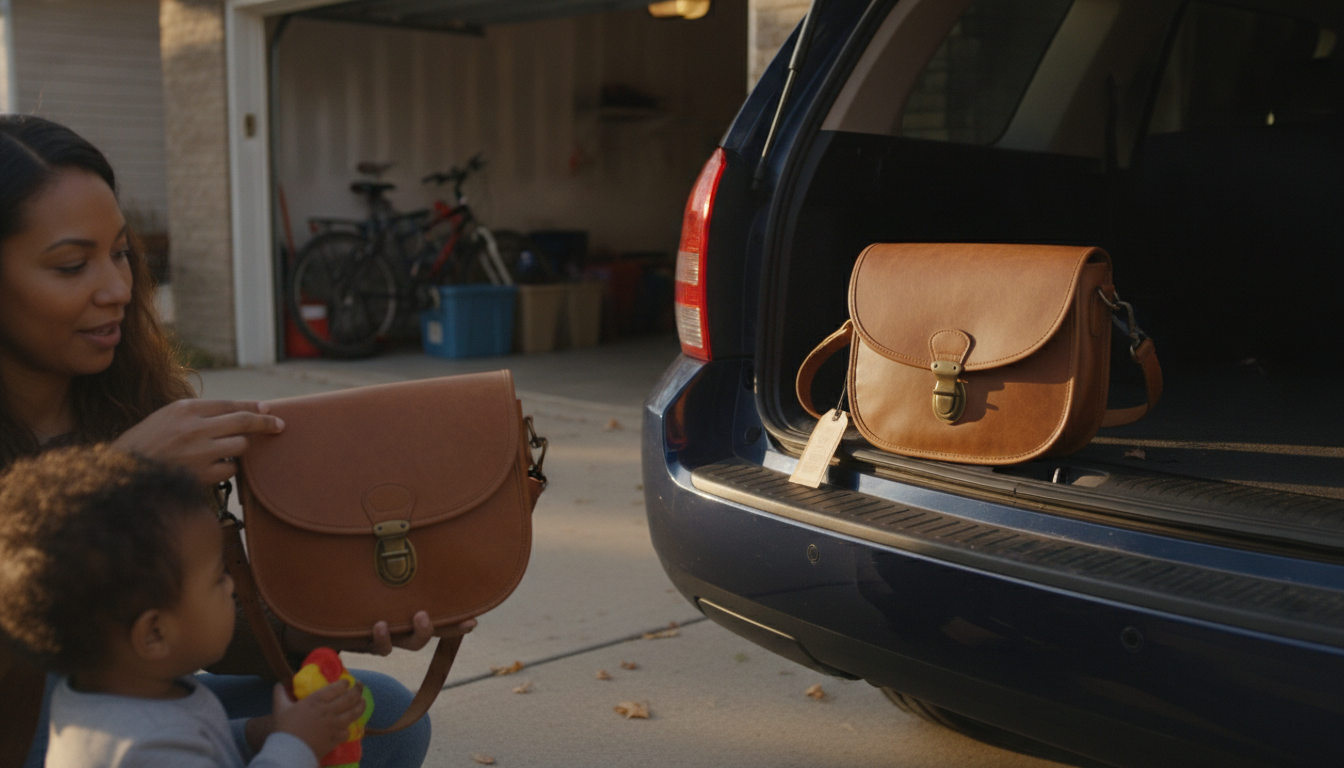
How do I tell if a cowhide saddle bag is real leather or faux leather?
Spotting the difference comes down to texture, edges, smell, and how the material behaves when you bend it. Because cowhide saddle bags often use hair-on hide or richly finished leather panels, a few quick checks can usually confirm what you’re holding.
Check the grain and surface up close
Real leather shows natural variation: tiny inconsistencies, pores, and a grain that doesn’t look perfectly repeated. Faux leather often has a uniform, stamped pattern that repeats in a predictable way. If the bag includes cowhide (hair-on) sections, authentic hide typically has slight direction changes and natural growth patterns rather than a “printed” look.
Look at the cut edges and seams
Examine a hidden edge—inside a strap end, near a seam allowance, or under a flap. Real leather edges look fibrous and may show layered structure, while faux leather edges look smooth, plastic-like, or fabric-backed. If you can see a woven textile backing beneath the surface layer, it’s a strong sign of faux leather (PU/PVC).
Use the touch-and-bend test
Gently flex a strap or corner. Real leather tends to wrinkle softly and then relax; it feels warm and slightly “grippy.” Faux leather can feel colder or overly slick, and it may crease sharply with a more rigid, plastic response. Watch for the surface separating from the backing when bent—peeling is typical of faux leather wear.
Trust your nose (carefully)
Real leather has a distinctive, earthy leather scent from tanning. Faux leather often smells like plastic or chemicals, especially when new. If the bag is heavily fragranced, try smelling an interior seam or an unfinished edge where scents are less masked.
Read the label and product description
Tags may say “genuine leather,” “top grain,” “full grain,” or “cowhide.” Faux versions often list “PU,” “PVC,” “vegan leather,” or “man-made materials.” For a deeper look at cowhide saddle bag materials and styling details, visit this guide to luxury cowhide saddle bags.
FAQ
Does real leather scratch easily, and is that a problem?
Light surface scratches are common on real leather and often blend in as a natural patina. Many minor marks can be buffed out with a soft cloth, while faux leather tends to scuff or peel rather than develop patina.
Recommended for you

Toddler Bed to Twin: Best Age, Readiness & Safety
Jun 12, 2026













Leave a comment