-
Shop
- Adidas
- Advanced Technologies
- AI Skills
- AI Skills Mastery 2026 Collection
- Bathroom
- Best-Sellers
- Calvin Klein
- Car Accessories
- Confidence
- Dating & Social Skills
- Digital Resources
- AI & Technology
- Beauty
- Car Buying & Ownership
- Cozy Feast Collection
- Electronics & Technology
- Financial Education
- Hobbies
- Home Styling & Organization
- Kitchen & Recipes
- Mindset
- Online Business
- Parenting & Child Development
- Personal Style & Fashion
- Pet Lifestyle & Wellness
- Smart Life with AI
- Travel Planning
- Wellness
- Yoga & Fitness
- Education & Learning
- Family & Parenting
- Fashion
- Alexander McQueen
- Bags
- Bags & Wallets
- Balenciaga
- Belts
- Blazers
- Blouses & Shirts
- Bottega Veneta
- Brunello Cucinelli
- Burberry
- Chanel
- Chloé
- Dior
- Dolce & Gabbana
- Dresses
- Etro
- Fendi
- Gucci
- Hats & Hair Accessories
- Jacquemus
- Jewelry
- Jil Sander
- Keychains
- Kiton
- Luggage
- Luggage Bags
- Miu Miu
- Off-White
- Outerwear
- Prada
- Rick Owens
- Saint Laurent
- Scarves
- Shoes
- Socks & Tights
- Sunglasses
- The Row
- Tom Ford
- Valentino
- Valentino Garavani
- Versace
- Vivienne Westwood
- Watches
- Fashion Accessories
- Furniture
- Gadgets
- Health & Beauty
- Health & Wellness
- Home & Garden
- Home Decor
- Home Electronics
- Home Supplies
- Kids & Babies
- Kitchen
- Kitchen Best-Sellers
- Lighting
- Online Business for Beginners
- Patio, Lawn & Garden
- Personal Growth
- Pet Care
- Pet Supplies
- Pets
- Smart Amazon Shopping
- Smart Home Living Guides
- Sport & Outdoors
- Stress Relief & Relaxation
- Super Deals
- TikTok Growth & Monetization Mastery
- Travel
- Travel & Adventure
- Wealth
- Wealth Building
- Budgeting & Saving
- Cryptocurrency Investing
- Debt Management
- Entrepreneurship & Business Growth
- Family Finance & Budgeting
- Financial Independence
- Financial Mindset & Psychology
- Financial Planning
- Frugal Living & Expense Hacks
- Goal Setting
- High-Income Skills
- Investing Basics
- Leadership
- Motivation
- Networking & Mentorship
- Passive Income Strategies
- Real Estate Investing
- Side Hustles
- Stock Market Investing
- Popular
- Best deals
- Blog
Home Serenity Reset: Calm Micro-Zones for Peaceful Living
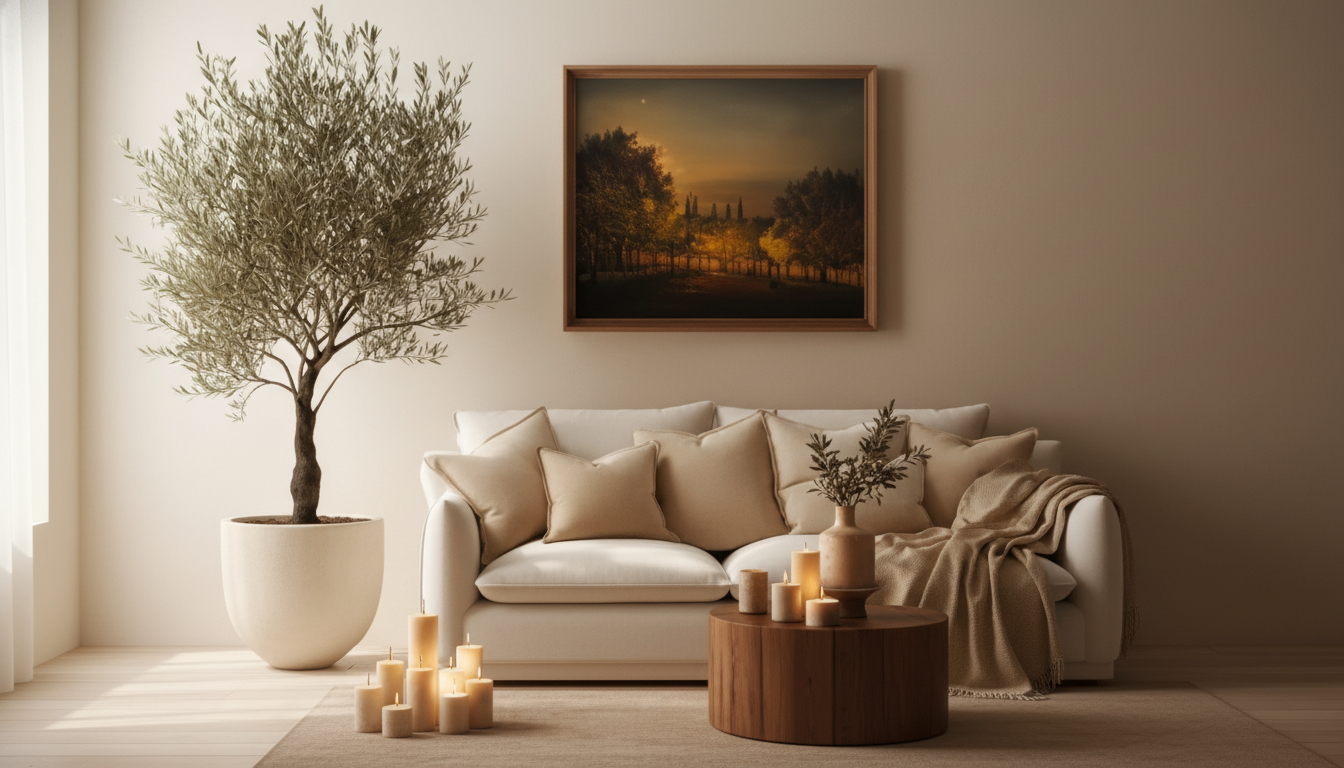
The Art of Home Serenity: A Calming Home Guide for a Peaceful, Restful Space
A serene home is less about perfection and more about shaping small, repeatable choices that soften noise, reduce visual strain, and support steady routines. Calm adds up when daily “micro-zones” (entryway, living area, bedroom, and digital corners) are designed to be easy to return to, day after day—through small adjustments in light, sound, scent, and layout.
What “serenity” feels like at home (and why it’s easier than it sounds)
Serenity usually shows up in the body first: breathing slows, shoulders drop, and the mind stops scanning for what needs fixing. At home, those cues often come from lower visual clutter, fewer decisions, and gentler transitions between rooms—so the space feels supportive instead of demanding.
A practical goal is “low-friction living”: reducing the number of steps needed to tidy, relax, and reset. Instead of chasing a single decor style, think in layers—lighting, sound, temperature, texture, and boundaries. To keep purchases and changes consistent, pick one guiding mood word (soft, grounded, airy, cozy) and let it edit options for you.
Common stress signals at home and calm replacements
| Stress signal | Why it drains energy | Calm replacement |
|---|---|---|
| Harsh overhead lighting | Triggers alertness and visual fatigue | Warm bulbs, shaded lamps, dimmable options |
| Unclear drop zone (keys, bags, mail) | Creates daily clutter loops | Single tray/hook system by the door |
| Mixed, noisy surfaces | Makes a room feel busy even when clean | Limit patterns; add one anchoring neutral textile |
| Phone visible in rest areas | Invites constant checking | Designated charging spot outside the bedroom |
Start with micro-zones: small spaces that change the whole mood
Micro-zones are tiny “systems” that prevent mess and stress from spreading. They work best when they’re specific, repeatable, and easy to maintain even on busy days.
- Entryway reset: Create one landing spot (tray + hook), add a simple scent, and keep a clear floor path so arrivals feel smooth.
- Living area calm corner: One comfortable chair + blanket, a small table, and a warm lamp. Keep it device-light so it stays restorative.
- Kitchen sink “closing shift”: A 3-minute nightly reset—clear counters, wipe the sink, and set tomorrow’s mug.
- Bedroom as a sanctuary: Fewer items on surfaces, softer lighting, and one consistent wind-down cue (music, book, tea).
- Bathroom micro-spa: One matching set (towels or containers) to reduce visual noise fast.
If a step feels annoying, it won’t stick. Aim for “so easy it’s automatic,” even if that means simplifying: fewer containers, fewer categories, fewer places to put the same thing.
Light, sound, scent, and texture: the four atmosphere levers
Calm is often an environment problem before it’s a motivation problem. These four levers shift a room’s “nervous system load” without requiring a total redesign.
- Light: Prioritize warm, layered lighting (lamp + task light + optional accent) over one bright source. Light exposure also influences circadian rhythm, which is why evening lighting choices matter for winding down (see research overviews via the National Library of Medicine).
- Sound: Reduce sharp echoes with rugs, curtains, and soft furnishings. Add consistent background audio (a low-volume playlist, fan, or white noise) to smooth sudden sounds.
- Scent: Choose one signature profile (clean, herbal, woody) and keep it subtle. Avoid competing fragrances across rooms so the home reads as cohesive, not chaotic.
- Texture: Balance smooth surfaces (glass/metal) with soft ones (linen/knit/wood). Soft textures make a space feel more physically “safe” and settle the eye.
Also watch temperature and airflow: keep a throw blanket within reach and make sure one window or vent pathway is easy to open for a quick reset.
Decluttering for calm: reduce decisions, not personality
When stress rises, the body reacts—often with tension, irritability, or fatigue—so reducing environmental “noise” can be a meaningful support (the American Psychological Association outlines how stress affects the body).
A simple daily rhythm that keeps the home peaceful
Sleep responds especially well to routines and a calmer pre-bed environment; the Sleep Foundation covers practical sleep hygiene basics that pair naturally with a soothing bedroom setup.
Digital calm at home: boundaries that protect rest
For a simple, printable reset, consider The No-Phone Morning Ritual Checklist: Reset Your Mind Before You Scroll, designed to make the first part of the day feel calmer and more intentional.
Design touches that feel serene without over-decorating
If you want a sculptural focal point that still feels clean and quiet, Elegant Ceramic Dress Form Vase – Abstract Fashion Sculpture Home Decor works well as a “one-object anchor” on a console, dresser, or dining table.
Putting it all together: a 7-day serenity reset plan
For a more structured, step-by-step approach to building an easier, calmer home, The Art of Home Serenity – A Calming Home Guide with Home Calm Atmosphere Tips for Peaceful Living offers a practical framework you can revisit whenever life gets loud.
FAQ
What’s the fastest way to make a room feel calmer without redecorating?
Focus on one surface, one light source, and one clutter loop: clear a table, switch to warm layered lighting, and create a single drop zone for daily items. These changes lower visual noise immediately and reduce tomorrow’s mess at the same time.
How can a calm home stay realistic for busy schedules or families?
Use micro-zones and container limits, set 5–10 minute reset windows, and make the “easy tidy” the default with baskets, hooks, and trays. Calm comes from repeatable systems you can maintain on your busiest day.
What helps a bedroom feel more peaceful at night?
Lower the lighting, reduce visible clutter, keep the phone out of reach, and repeat one consistent wind-down cue (quiet music, reading, or stretching). The repetition trains the space to feel like a signal for rest.











Leave a comment