-
Shop
- Adidas
- Advanced Technologies
- AI Skills
- AI Skills Mastery 2026 Collection
- Bathroom
- Best-Sellers
- Calvin Klein
- Car Accessories
- Confidence
- Dating & Social Skills
- Digital Resources
- AI & Technology
- Beauty
- Car Buying & Ownership
- Cozy Feast Collection
- Electronics & Technology
- Financial Education
- Hobbies
- Home Styling & Organization
- Kitchen & Recipes
- Mindset
- Online Business
- Parenting & Child Development
- Personal Style & Fashion
- Pet Lifestyle & Wellness
- Smart Life with AI
- Travel Planning
- Wellness
- Yoga & Fitness
- Education & Learning
- Family & Parenting
- Fashion
- Alexander McQueen
- Bags
- Bags & Wallets
- Balenciaga
- Belts
- Blazers
- Blouses & Shirts
- Bottega Veneta
- Brunello Cucinelli
- Burberry
- Chanel
- Chloé
- Dior
- Dolce & Gabbana
- Dresses
- Etro
- Fendi
- Gucci
- Hats & Hair Accessories
- Jacquemus
- Jewelry
- Jil Sander
- Keychains
- Kiton
- Luggage
- Luggage Bags
- Miu Miu
- Off-White
- Outerwear
- Prada
- Rick Owens
- Saint Laurent
- Scarves
- Shoes
- Socks & Tights
- Sunglasses
- The Row
- Tom Ford
- Valentino
- Valentino Garavani
- Versace
- Vivienne Westwood
- Watches
- Fashion Accessories
- Furniture
- Gadgets
- Health & Beauty
- Health & Wellness
- Home & Garden
- Home Decor
- Home Electronics
- Home Supplies
- Kids & Babies
- Kitchen
- Kitchen Best-Sellers
- Lighting
- Online Business for Beginners
- Patio, Lawn & Garden
- Personal Growth
- Pet Care
- Pet Supplies
- Pets
- Smart Amazon Shopping
- Smart Home Living Guides
- Sport & Outdoors
- Stress Relief & Relaxation
- Super Deals
- TikTok Growth & Monetization Mastery
- Travel
- Travel & Adventure
- Wealth
- Wealth Building
- Budgeting & Saving
- Cryptocurrency Investing
- Debt Management
- Entrepreneurship & Business Growth
- Family Finance & Budgeting
- Financial Independence
- Financial Mindset & Psychology
- Financial Planning
- Frugal Living & Expense Hacks
- Goal Setting
- High-Income Skills
- Investing Basics
- Leadership
- Motivation
- Networking & Mentorship
- Passive Income Strategies
- Real Estate Investing
- Side Hustles
- Stock Market Investing
- Popular
- Best deals
- Blog
Twin Princess Carriage Bed with Crown: Fit, Safety & Style
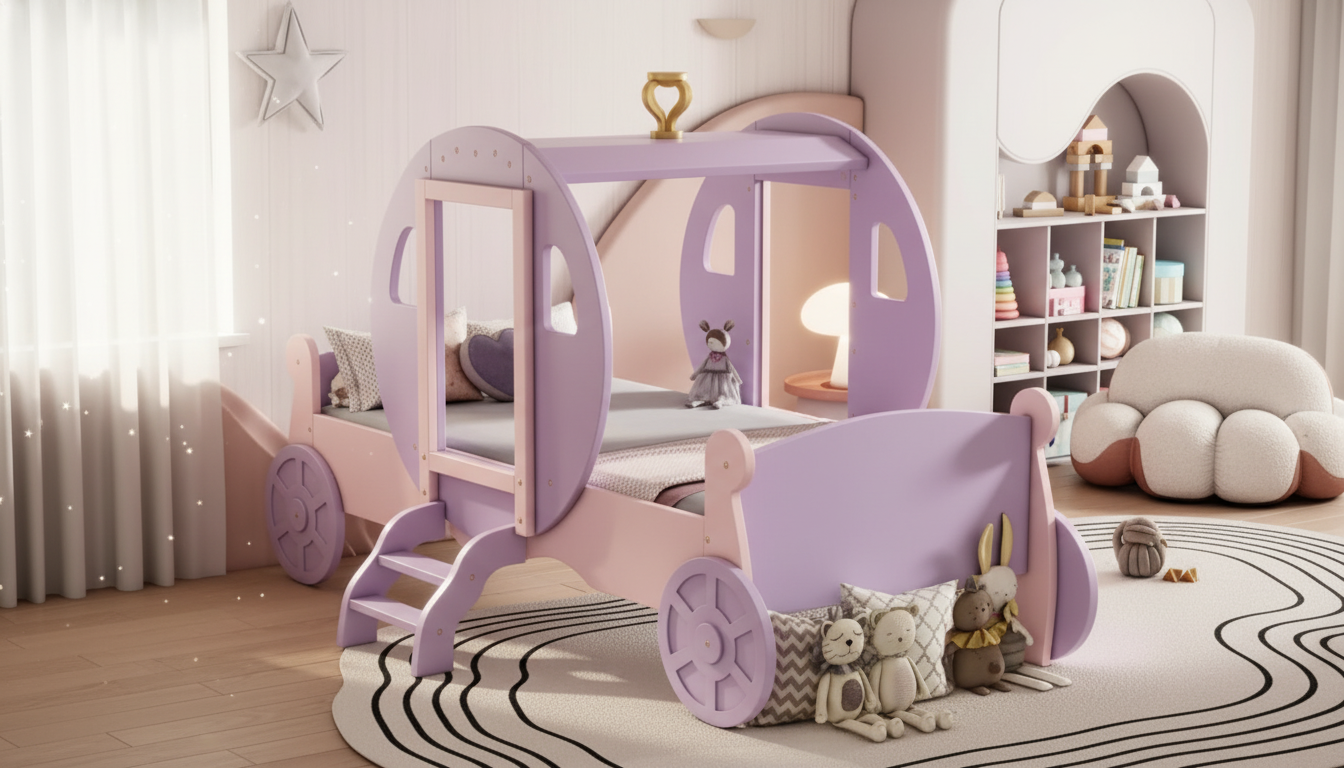
Twin Size Princess Carriage Bed Frame with Crown: A Storybook Bedroom Centerpiece
A carriage-style bed with a crown instantly sets a fairytale tone while still functioning as an everyday twin bed. The best versions balance imaginative design with real-life needs—comfortable sleep, kid-friendly safety, and upkeep that won’t become a weekly project. Below is a practical guide to choosing, placing, and living with a twin princess carriage bed frame so the “wow” factor comes with confidence.
What Makes a Carriage Bed with a Crown Special
A twin carriage bed stands out because it delivers a full-theme effect without requiring a full room overhaul. The rounded silhouette creates an immersive look even if the rest of the furniture stays simple. Add the crown detail and the bed becomes a natural focal point—easy to pair with a few complementary touches like soft pastel bedding, subtle wall decals, or warm canopy-style lighting nearby.
Twin size is also a sweet spot for many families: it feels like a “big kid” upgrade, yet the footprint is manageable for most bedrooms. In shared rooms, a carriage bed can help define one side with a clear visual identity—especially useful during transitions like a new sibling, a move, or a birthday room refresh.
Quick Specs and Fit-at-a-Glance
Before ordering, confirm the frame is made for a standard twin mattress and read any notes about recommended mattress thickness. Then measure the delivery path—doorways, tight hall turns, and stairs—since themed beds often come in large panels. Finally, plan for everyday movement: enough space to make the bed, get in and out, and walk safely at night.
Room Planning Checklist for a Twin Carriage Bed
| What to measure/confirm | Why it matters | Target/notes |
|---|---|---|
| Twin mattress size | Ensures proper fit and comfort | Standard twin: 38 in x 75 in (verify local standards) |
| Wall-to-wall clearance | Prevents cramped walkways and stubbed toes | Aim for ~24 in+ of walking space on at least one side when possible |
| Ceiling height & crown height | Avoids a “crowded” look and helps with décor choices | Leave headroom for crown detail and any lighting |
| Doorway & stair width | Helps anticipate assembly location and delivery route | Check narrowest point from entry to bedroom |
| Mattress thickness | Affects rail height and ease of getting in/out | Choose a thickness that keeps rails protective, not restrictive |
Comfort and Sleep Setup
A beautiful frame can’t compensate for an uncomfortable mattress. Pick a supportive twin mattress appropriate to the child’s age and sleep position; very soft options can feel cozy but may not provide the stable support younger sleepers need. If the carriage frame has higher sides, fitted sheets with deeper pockets can help reduce corner pop-off during normal nighttime movement.
Because themed rooms often include layered textiles (pillows, throws, canopies, plush rugs), breathable bedding matters. Cotton or cotton blends can help regulate temperature and reduce that “too warm” feeling that sometimes shows up after a décor upgrade.
If a step stool is needed, keep it simple, stable, and positioned where it won’t become a climbing tool for decorative parts. The goal is easy access to the mattress—not easier access to the crown.
Safety and Practical Use for Kids
Prioritize sturdy construction: smooth edges, secure curves, and decorative elements that don’t wiggle. The crown should feel firmly attached and remain stable over time with normal use. Place the bed away from hazards like dangling blind cords, unstable floor lamps, or wall shelves holding heavy items that could fall.
Also consider the overall sleeping surface height. If the frame includes tall side panels or rails, verify the mattress height keeps the sleeping surface age-appropriate—easy for the child to enter and exit independently while still feeling protected. Nightlights along the path to the door or bathroom are a small addition that can prevent big bumps in low light.
For additional bedroom safety tips and recall information, reference the CPSC bedroom safety guidance. For broader child sleep considerations, the American Academy of Pediatrics resource on sleep is a helpful starting point.
Assembly, Materials, and Durability
Carriage beds typically require multi-step assembly. Plan a clear floor area and enough time to align curved pieces and decorative components without rushing. A helpful routine: lightly tighten all hardware first, confirm alignment, then fully tighten once everything sits flush.
Styling Ideas That Keep the Room Calm (Not Cluttered)
Storage helps the bed remain the star. Under-bed bins (if clearance allows), lidded baskets, or a small dresser can keep toys and dress-up pieces contained. If you want one sophisticated décor accent that can transition as tastes change, a simple sculptural piece like the Elegant Ceramic Dress Form Vase – Abstract Fashion Sculpture Home Decor can add polish without adding visual noise.
Featured Option: Twin Size Princess Carriage Bed Frame with Crown
If the goal is a single statement piece that defines the room, the Twin Size Princess Carriage Bed Frame with Crown is designed to deliver that carriage silhouette topped with a crown detail. It’s best suited to a child’s bedroom where the bed can act as the focal point—letting the rest of the room stay simpler and easier to maintain.
Care Tips and Long-Term Value
FAQ
What is the ideal age for a princess bed?
Princess beds are commonly most popular from preschool through early elementary years. The best timing depends on readiness for a twin bed, safe climbing ability, and whether the child is comfortable sleeping independently.
What are the pros and cons of a princess bed?
Pros include making bedtime more appealing, creating a strong visual centerpiece, and giving the room a clear identity. Cons can include a themed look that may be outgrown, more careful cleaning/assembly, and decorative shapes that limit placement in smaller rooms.
Recommended for you

Best MagSafe-Style Chargers for iPhone + Apple Watch
May 23, 2026













Leave a comment